
 By admin
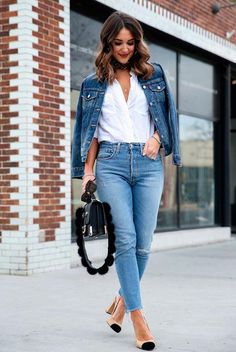
The Importance of Good Clothing: How Personal Style Shapes Perception, Confidence, and Opportunity
Introduction
Clothing has always played a fundamental role in human societies, not only as a basic necessity but also as a powerful language of identity, expression, and cultural meaning. In the modern world—where competition is intense, first impressions matter more than ever, and social interactions happen both online and offline—good clothing has evolved into a strategic tool. It influences how others perceive us, how confidently we present ourselves, and even the opportunities we can access in professional, social, and personal spheres.
While some people may argue that appearance should not influence judgement, the reality is clear: people form opinions within seconds, long before personality, skills, or intelligence are revealed. The way we dress becomes a nonverbal message, a visual introduction that can either elevate us or hold us back. Understanding the importance of dressing well, then, is not superficial—it is a form of self-care, communication, and ambition.
This article explores the modern significance of good clothing, why it shapes first impressions, how it aligns with personal identity, and the role it plays in success. Through updated insights, practical examples, and key style principles, this guide provides a comprehensive understanding of how thoughtful dressing can improve one’s life.
The Role of Clothing in First Impressions
The Psychology Behind First Impressions
Numerous psychological studies confirm that people form impressions in as little as 1/10 of a second. Before a person speaks a single word, clothing becomes the primary source of information. In casual encounters, meetings, social events, or professional settings, attire communicates signals about:
- Professionalism
- Confidence
- Hygiene and self-respect
- Social awareness
- Personality traits
Because these impressions tend to remain stable over time, dressing well becomes an essential component of creating a positive, lasting image.
Clothing as a Visual Introduction
Before mannerisms, tone of voice, or body language come into play, clothing is the first noticeable detail. Whether intentional or not, it conveys: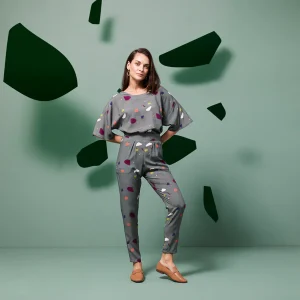
- Status – whether formal, casual, or authoritative
- Taste – sophistication, creativity, or negligence
- Mood – calm, bold, confident, or conservative
- Cultural alignment – traditional or modern
This visual introduction can influence interactions, opportunities, and the level of respect received in various settings.
Clothing as an Extension of Identity
Style as the Language of Personality
Just as writing style reflects thought patterns, clothing reflects personal character. It is a practical way to express individuality, creativity, and values without speaking. For example:
- Minimalists favor clean lines and neutral tones
- Artistic individuals may choose bold colors and unique silhouettes
- Practical thinkers often prefer functional, comfortable clothing
Clothing becomes a silent messenger, shaping how others interpret who we are.
The Power of Dressing with Purpose
Dressing intentionally requires self-awareness and strategic thinking. When individuals understand what image they wish to project, they can choose clothing that enhances:
- Authority in the workplace
- Approachability in social settings
- Elegance on formal occasions
- Comfort in daily life
Purposeful styling can compensate for certain physical imperfections and highlight personal strengths.
How Clothing Influences Success and Opportunity
From the Workplace to Social Life
Many successful individuals—leaders, entrepreneurs, public figures—recognize the power of appearance. A polished outfit can:
- Improve hiring chances
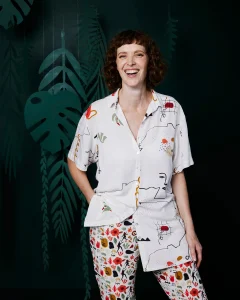
- Increase confidence in professional presentations
- Influence negotiation outcomes
- Elevate social standing
- Open doors to new connections
Historically, people have lost or gained fortune, relationships, and status simply due to attention—or lack of attention—to their attire.
Why Investment in Clothing Pays Off
Clothing does not need to be expensive to be effective. What matters most is:
- Fit
- Neatness
- Quality
- Harmony of colors
- Appropriateness for the occasion
Thoughtful dressing demonstrates discipline, organization, and attentiveness—traits that naturally attract trust and respect.
Adapting Clothing to Age and Body Type
Dress According to Your Age
Wearing clothing aligned with one’s age enhances authenticity and confidence. For instance:
- Mature individuals benefit from refined cuts and classic colors
- Younger individuals may experiment with trends
- Those in mid-life often balance modern style with sophistication
Age-appropriate clothing does not restrict expression; it enhances it.
Dress According to Your Physical Features
Success in dressing depends heavily on understanding personal characteristics, such as body shape, height, skin tone, and hair color. Clothing should balance proportions and draw attention to strengths, such as:
- Dark shades to slim the appearance
- Bright colors to highlight lively features
- Vertical stripes to elongate the body
- Structured fabrics to add definition
Even someone who considers themselves “unattractive” can discover a flattering style with the right knowledge and experimentation.
Enhancing Appearance Through Colors and Coordination
Using Color to Redirect Attention
Color plays an influential role in visual perception. For example:
- Someone with redness in the face may choose cooler tones to neutralize warmth
- Individuals with pale skin may opt for rich, deep hues
- People with highly striking features may use soft, subtle palettes to create harmony
Strategic use of colors helps shift focus away from imperfections and toward positive visual balance.
Creating Harmony Through Coordination
Good clothing is not about extravagance but about coordination. Proper styling includes understanding:
- Complementary color combinations
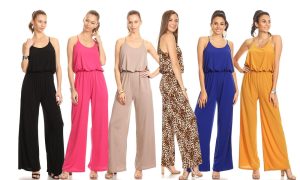
- Consistent styles (formal with formal, casual with casual)
- Seasonal appropriateness
- Texture balance (pairing smooth with structured fabrics)
A cohesive outfit signals reliability and sophistication.
The Role of Grooming in Completing the Look
Hair and Facial Appearance
Hairstyle is one of the most effective tools for balancing facial features. A well-chosen haircut can:
- Make a long face appear shorter
- Add sharpness to a soft jawline
- Conceal uneven elements
- Reduce attention to facial imperfections
For men, beards, trimming, and mustaches must blend with hair color and face shape. A poorly matched beard or wig can disrupt the entire appearance.
Consistency and Cleanliness
No matter how stylish the clothing, poor grooming undermines the whole effort. Cleanliness, scent, neat nails, and tidy hair elevate even simple outfits.
Clothing, Confidence, and Self-Perception
How Dressing Well Improves Confidence
Studies consistently show that when people dress well, they:
- Feel more confident
- Communicate more effectively
- Perform better in tasks requiring attention
- Socialize more comfortably
Clothing can psychologically empower an individual, influencing internal confidence as much as external perception.
The Emotional Impact of Clothing
Clothing can influence mood, productivity, and mindset. Wearing bright colors may improve energy levels, while comfortable clothing encourages relaxation. Stylish outfits inspire self-pride and discipline.
Conclusion
Good clothing is far more than a superficial concern—it is a practical, psychological, and social tool that shapes perception and opportunity. In a world where first impressions are quick and lasting, dressing thoughtfully allows individuals to express identity, communicate confidence, and improve personal and professional outcomes. Every person, regardless of appearance, can enhance their presence by mastering the principles of fit, color, grooming, and style. Clothing is not merely fabric; it is a strategy for success.
Why Many People Prefer Electric Scooters