
 By admin
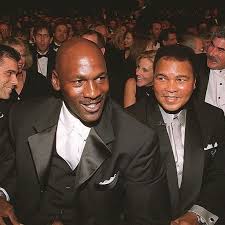
Transcendent Legends: How Jordan and Ali Redefined Athletic Greatness, Cultural Identity, and Black Excellence
Introduction: When Sports Become a Catalyst for Transformation
In the vast story of American culture, certain athletes transcend the courts, rings, and arenas that first introduced them to the world. They become more than champions. They evolve into symbols—of hope, resistance, pride, excellence, and limitless possibility. For decades, Black athletes have stood on the forefront of cultural transformation, challenging stereotypes, elevating communities, and inspiring generations in ways that extend far beyond the scoreboards.
Among these giants, Muhammad Ali and Michael Jordan rise above the rest. More than extraordinary competitors, they became global icons whose impacts reshaped not just their sports but the very meaning of athletic influence. Ali, a revolutionary force inside and outside the boxing ring, redefined what it meant to be a socially conscious Black athlete. Jordan, whose grace and dominance reimagined basketball excellence, transformed global athlete branding and set new standards for what modern sports superstardom could achieve.
Their stories demonstrate that greatness is not simply measured in titles or victories. It is defined by character, cultural consequence, and the ability to inspire millions to dream beyond perceived limitations. This article explores the monumental legacies of these two transcendent legends—how they elevated Black pride, reshaped sports culture, and left an indelible mark on humanity.
Muhammad Ali: The Unapologetic Champion of Identity, Principle, and Humanity
Redefining Black Pride with Bravery and Brilliance
Before Muhammad Ali entered the global spotlight, the sports landscape rarely portrayed Black athletes as empowered, outspoken, or culturally influential figures. Ali shattered this narrative with unprecedented charisma and courage. He stepped into the ring—and into public life—with a confidence that resonated profoundly with African Americans during one of the most turbulent eras in U.S. history.
Ali’s signature blend of poetic trash talk, showmanship, and self-assured pride was revolutionary. Declaring “I am the greatest,” he refused to conform to expectations of silence or humility that society often imposed on Black public figures. His approach sent a powerful message: Black pride was not only justified—it was necessary.
He combined electric personality with equally extraordinary performance. With 56 wins, 37 knockouts, and only 5 losses, Ali earned a place among boxing’s immortals. His speed, agility, and strategic intelligence redefined what a heavyweight could be. He “floated like a butterfly and stung like a bee,” thrilling millions and inspiring the world.
A Stand Against Injustice: When Principle Outweighed Glory
Ali’s courage extended far beyond the boxing ring. In 1967, he refused induction into the U.S. military during the Vietnam War, citing Islamic beliefs and ethical objections. His stance cost him nearly four years of his prime boxing career and all his championship titles. Yet this sacrifice elevated him from sports hero to global symbol of integrity, civil rights, and moral conviction.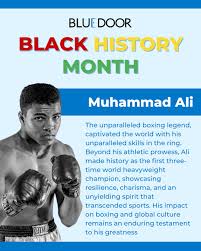
Many disagreed with him at the time—but history vindicated Ali. The U.S. Supreme Court ultimately overturned his conviction, and he became celebrated as a pioneer of athlete activism. His bravery laid the groundwork for today’s athlete-advocates who speak out on racial injustice, war ethics, and human rights.
Battles That Became Cultural Milestones
Ali’s fights were not only sporting events—they were global spectacles that shaped cultural memory.
The legendary Rumble in the Jungle in 1974, where Ali used his iconic rope-a-dope strategy to defeat George Foreman, became a defining moment of international pride, particularly for African nations.
Ali became the first boxer to win the heavyweight title three times, and by the late 1970s his fights attracted up to two billion global viewers, making him arguably the most recognizable athlete alive.
But beyond belts and broadcasts, Ali’s true legacy lies in the millions he empowered. He showed that a Black athlete could be unfiltered, intellectual, spiritual, political, compassionate—and still be loved across the world.
Michael Jordan: The Global Blueprint for Excellence and Influence
From Rising Star to Basketball Immortality
Michael Jordan did not simply play basketball—he reinvented it. As a rookie, he averaged 28.2 points, 6.5 rebounds, and 5.9 assists, instantly proving he was destined for greatness. By the end of his illustrious career, his legacy included:
- 6 NBA Championships
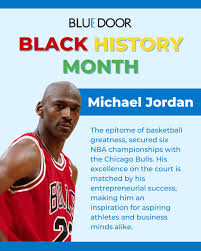
- 6 Finals MVP Awards
- 5 Regular Season MVP Awards
- 14 All-Star Selections
- 32,292 Career Points
- 10 Scoring Titles, the most in league history
Yet numbers alone cannot capture Jordan’s impact. His competitiveness was unmatched. His work ethic game-changing. And his presence transformed basketball into a global cultural phenomenon.
A Cultural Earthquake: Branding, Style, and Global Influence
Jordan’s influence extended far beyond athletic performance. His signature Air Jordan brand forever changed athlete endorsements and sports marketing. His wagging tongue, gravity-defying dunks, and iconic brand identity made him the most recognizable athlete in the world.
In 1996, Jordan led the Chicago Bulls to a historic 72–10 season, a record that stood for twenty years and cemented the Bulls as one of the greatest teams in sports history.
Jordan demonstrated that excellence is not an act—it is a lifestyle. He redefined what modern athletes could become: brands, entrepreneurs, cultural symbols, and global influencers.
Inspiring Generations of Dreamers
To this day, young athletes cite Jordan as their ultimate inspiration. College and professional players analyze his footwork, competitive mentality, and leadership style. His influence demonstrates that sports can teach life lessons about perseverance, discipline, and rising under pressure.
Jordan’s greatness transcended race, nationality, and era. He became the embodiment of possibility—the idea that perfection could be pursued with relentless passion.
The Enduring Power of Black Athletic Excellence
More Than Role Models: Symbols of Resilience and Progress
Athletes like Ali and Jordan have served as pillars of hope, especially within Black communities that historically faced barriers to opportunity. Yet their influence is universal. Fans across races and nations admired their brilliance, their authenticity, and their refusal to accept limitations.
Their success helped dismantle stereotypes and opened doors for athletes like:
- LeBron James, whose education and community initiatives reshape social landscapes
- Serena Williams, redefining greatness and breaking gender and racial barriers
- Colin Kaepernick, reigniting athlete-driven social justice movements
Inspiring Through Visibility: Representation That Changes Lives
Representation is transformational. When young Black athletes witness someone who looks like them achieving global success, the impossible becomes tangible. Olympians, NBA stars, and football players consistently affirm that role models who share their backgrounds give them strength and ambition.
This cycle began with pioneers like Jackie Robinson, whose integration of Major League Baseball in 1947 helped pave the way for Ali, Jordan, and countless others.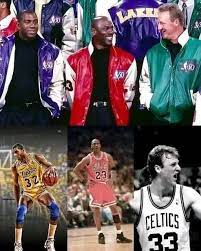
Athletes as Community Builders and Humanitarians
Many Black athletes extend their influence beyond sports by investing in youth programs, education, and community upliftment. LeBron James’ I PROMISE School and numerous scholarships and social initiatives reflect this legacy of service.
Ali, Jordan, and their successors teach an essential truth:
Greatness is amplified when it lifts others.
The Universal Language of Excellence
Breaking Barriers Through Talent and Spirit
Sports is one of the few arenas where excellence transcends identity. Fans admire brilliance regardless of race. Ali’s charisma and Jordan’s dominance attracted global love and respect, proving that greatness speaks one universal language: achievement.
Their talents forced the world to acknowledge not just their victories but their humanity, their integrity, and their cultural influence.
Modern Legacies Built on the Shoulders of Giants
Every generation of athletes now measures greatness against the standards set by Ali and Jordan. Their benchmarks—three heavyweight titles, six NBA championships, unmatched charisma, powerful activism—remain gold standards.
They didn’t just rewrite record books.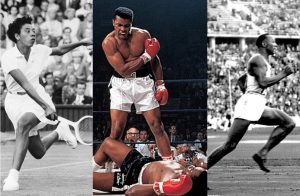
They rewrote expectations.
Conclusion: Legends Who Transcended Sport and Reshaped the World
Muhammad Ali and Michael Jordan remain two of the most influential athletes in history—not merely because they dominated their sports, but because they transformed what athletes could represent. They became voices for justice, ambassadors of culture, symbols of excellence, and heroes for dreamers everywhere.
Ali taught the world that principle must never be sacrificed for popularity. Jordan demonstrated that relentless dedication can elevate human achievement to astonishing heights. Both men used their platforms for positive change, proving that true greatness is measured not only in medals or trophies but in the lives one touches, the communities one uplifts, and the legacies one leaves behind.
Their stories continue to inspire athletes, activists, students, and leaders. They remind us that sports can bridge divides, spark hope, and reveal the highest potential of the human spirit. Through courage, authenticity, and unwavering excellence, Jordan and Ali redefined what it means to be champions—on the field, in society, and in the collective imagination of the world.
Their legacies are timeless. Their influence is immeasurable. And their message endures:
Greatness is not born—it is built, nurtured, tested, and ultimately shared.