
 By admin
The Turtle: An Evolutionary and Ecological Analysis of a Resilient Species
Introduction
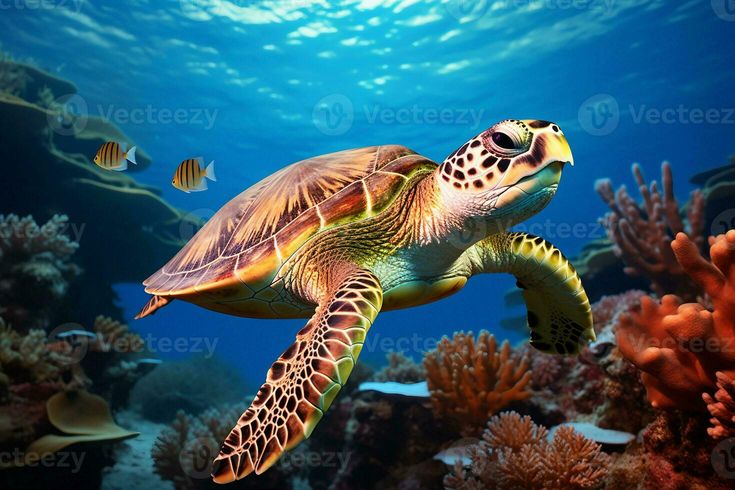
Turtles (Order: Testudines) represent one of the most ancient and enduring vertebrate lineages on Earth. Emerging over 200 million years ago during the late Triassic period, turtles have successfully adapted to diverse ecosystems ranging from arid deserts to vast oceanic environments. Their unique morphology—particularly the shell—distinguishes them among reptiles and underscores their evolutionary success.
This paper provides an analytical overview of the turtle’s evolutionary history, anatomical adaptations, ecological significance, and current conservation challenges. It examines the species from both biological and environmental perspectives, aiming to understand why these ancient creatures have survived mass extinctions but now face severe anthropogenic threats.
1. Evolutionary Resilience and Phylogenetic Context
1.1 Fossil Evidence and Evolutionary Origins
The fossil record situates turtles as early as 230 million years ago, predating many modern reptilian lineages. Proganochelys quenstedti, one of the earliest known turtles, already exhibited a well-developed shell and basic body plan identical to modern forms. This morphological stability implies that the turtle body design reached evolutionary optimization early in its history.
Unlike most reptiles, turtles diverged from diapsid ancestors and developed an anapsid skull—lacking temporal openings—an adaptation that may have enhanced cranial strength and shell integration. Their evolutionary endurance across mass extinction events, including the Cretaceous-Paleogene extinction, demonstrates remarkable adaptability to changing global conditions.
1.2 Evolutionary Stability and Slow Adaptation
While many species evolve through rapid diversification, turtles exhibit evolutionary stasis. Their slow rate of genetic change has contributed to structural and behavioral consistency. This evolutionary conservatism, while beneficial in stable environments, now poses a vulnerability in the face of accelerated climate change and habitat transformation.
2. Anatomical Adaptations and Physiological Features
2.1 The Shell: Structure and Function
The turtle shell remains a defining feature of its anatomy and survival. Comprised of the carapace (dorsal side) and plastron (ventral side), both are composed of fused bones covered by keratinous scutes. The shell serves as both armor and a support structure for muscle attachment.
Contrary to common misconceptions, turtles cannot abandon their shells. The skeletal structure is fully integrated with the shell through rib and vertebral fusion, forming a rigid, enclosed framework. While this limits flexibility, it provides unmatched defense against predation.
2.2 Metabolism, Respiration, and Longevity
Turtles exhibit slow metabolic rates, which correlate with their longevity and low oxygen requirements. Many species can survive long periods of anoxia, particularly during hibernation or submersion. The cloacal respiration observed in some freshwater turtles—breathing through highly vascularized tissue in their cloaca—illustrates extraordinary physiological adaptation.
This slow metabolism supports their exceptional lifespan, with some tortoises, such as the Chelonoidis nigra of the Galápagos Islands, living beyond 150 years. Cellular resistance to oxidative stress contributes further to their longevity.
2.3 Morphological Diversity Across Habitats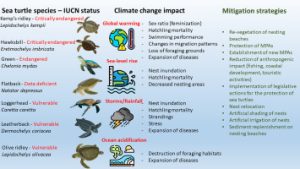
Adaptations vary significantly among turtle species:
- Sea Turtles possess hydrodynamic shells and flipper-like limbs optimized for long-distance swimming.
- Freshwater Turtles exhibit webbed feet suited for paddling and maneuverability in shallow waters.
- Tortoises feature robust, columnar limbs and domed shells adapted for terrestrial locomotion and predator protection.
This morphological diversity underlines the turtle’s ecological versatility and evolutionary adaptability.
3. Behavioral Ecology and Life History
3.1 Reproductive Strategies
Turtle reproduction is characterized by internal fertilization, oviparity, and temperature-dependent sex determination (TSD). Females typically return to natal beaches for nesting—a behavior known as philopatry. Egg incubation temperatures directly influence sex ratios: warmer temperatures yield females, cooler conditions produce males.
This sensitivity to temperature has raised conservation concerns under global warming scenarios, as skewed sex ratios threaten population stability. The nesting process itself—often involving long migrations and synchronized hatching—is one of the most energy-intensive and vulnerable phases of the turtle life cycle.
3.2 Migration and Navigation Mechanisms
Sea turtles are particularly noted for their extraordinary navigational abilities. Empirical studies demonstrate that they utilize the Earth’s magnetic field to locate breeding and feeding grounds thousands of kilometers apart. Satellite telemetry has revealed that species such as the Dermochelys coriacea (leatherback turtle) can migrate from tropical nesting beaches to temperate feeding zones, reflecting precise geophysical orientation capabilities.
3.3 Feeding Ecology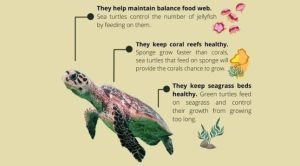
Turtles display varied feeding behaviors depending on habitat and species:
- Herbivorous Species (e.g., green turtles, Chelonia mydas) consume seagrass and algae, maintaining marine vegetation balance.
- Carnivorous Species (e.g., loggerheads, Caretta caretta) prey on crustaceans and jellyfish, regulating prey populations.
- Omnivorous Freshwater Turtles consume aquatic plants, insects, and small fish, facilitating nutrient cycling.
Feeding behavior in turtles not only sustains their own survival but also contributes to broader ecosystem regulation.
4. Ecological Importance
4.1 Keystone Roles in Ecosystems
Turtles function as ecological engineers. Sea turtles promote seagrass bed health through grazing, preventing overgrowth and enhancing oxygenation. Freshwater turtles act as biological recyclers, consuming detritus and maintaining water quality. Terrestrial tortoises contribute to seed dispersal and vegetation regeneration.
4.2 Bioindicators of Environmental Health
Due to their long lifespan and high site fidelity, turtles serve as bioindicators for ecosystem stability. Declines in turtle populations often signal broader ecological disruptions such as water contamination, habitat degradation, or overfishing.
5. Contemporary Threats and Conservation Challenges
5.1 Anthropogenic Pressures
Human activities have created unprecedented threats to turtle populations worldwide. Coastal development has eliminated nesting sites, while pollution—especially plastic debris—has caused high mortality rates. Studies indicate that over 50% of sea turtles have ingested plastic, mistaking it for prey.
Marine turtles are also highly susceptible to entanglement in fishing gear, a phenomenon known as bycatch, which accounts for thousands of deaths annually.
5.2 Climate Change Effects
Rising global temperatures disrupt nesting success and alter migratory patterns. Sea-level rise submerges critical nesting beaches, while changing ocean currents affect feeding areas. Moreover, climate-induced skewed sex ratios threaten genetic diversity and long-term viability.
5.3 Illegal Trade and Exploitation
Despite international regulations, the illegal trade of turtle shells, eggs, and meat persists. The demand for tortoises as exotic pets and decorative items has driven unsustainable harvesting, particularly in Southeast Asia and parts of Africa.
This exploitation not only threatens species survival but also undermines community-based conservation programs that depend on local stewardship.
6. Global Conservation Efforts
6.1 International Legal Frameworks
Turtles are protected under several international treaties, including:
- CITES (Convention on International Trade in Endangered Species), restricting commercial trade.
- CMS (Convention on Migratory Species), promoting transboundary conservation.
- UNCLOS (United Nations Convention on the Law of the Sea), safeguarding marine biodiversity.
These agreements represent significant progress, yet enforcement remains inconsistent, particularly in developing regions.
6.2 Community-Based and Technological Interventions
Local and technological initiatives have proven effective in recent years. Beach monitoring programs, artificial hatcheries, and eco-tourism projects—such as those in Costa Rica and Indonesia—have increased hatchling survival rates.
Satellite tracking and drone-based surveillance are enhancing scientific understanding of turtle migration and habitat use. Additionally, machine learning models are being developed to predict nesting success and monitor illegal activities in real time.
7. Ethical and Ecological Perspectives
7.1 Human Responsibility and Environmental Ethics
Turtles embody an ecological paradox: ancient survivors now imperiled by modern human behavior. Their decline raises ethical questions about human stewardship of natural ecosystems. Conservation is not only a biological necessity but also an ethical imperative—preserving intergenerational equity and ecological integrity.
7.2 Integrating Conservation with Sustainable Development
Modern conservation strategies increasingly emphasize socio-economic integration. Empowering local communities through sustainable tourism, education, and employment opportunities creates long-term incentives for protection. The coexistence of economic growth and biodiversity preservation is essential for effective turtle conservation in the Anthropocene.
Conclusion
Turtles stand as living witnesses to Earth’s evolutionary history. Their anatomy, behavior, and endurance represent one of nature’s most remarkable success stories. Yet, their future is precarious, challenged by human-induced environmental transformations.
Preserving turtle populations is not solely an act of species protection—it symbolizes a broader commitment to planetary health. As climate change accelerates and ecosystems decline, turtles remind us of the resilience of life and the urgent need to restore balance between human progress and natural preservation.
Through science-based management, community engagement, and ethical responsibility, humanity holds the power to ensure that turtles—these ancient mariners and terrestrial sages—continue to thrive for millennia to come.
Does Your Cat Have an Allergy?