
 By admin
Why Are Apple Products So Expensive? A Comprehensive Analysis
Introduction
Apple Inc., a global technology giant, has consistently set itself apart through its high-end products and distinctive branding. From iPhones to MacBooks, the company’s offerings are not only technologically advanced but also carry a premium price tag that has sparked both admiration and skepticism among consumers and industry analysts alike. Why do Apple products cost significantly more than many of their counterparts on the market, despite seemingly comparable specifications?
This article explores the multifactorial rationale behind Apple’s pricing strategy. We delve into aspects such as design innovation, high-quality materials, research and development, brand prestige, ecosystem integration, privacy and security, customer service, global supply chain challenges, and even psychological factors that influence consumer behavior. Together, these components form a comprehensive picture of why Apple maintains — and consumers often accept — its elevated pricing.
The Apple Design Philosophy: Form Meets Function
Premium Materials and Build Quality
Apple’s commitment to sleek, minimalist design and premium build quality is one of the key reasons behind its high pricing. The company uses high-grade materials such as anodized aluminum, surgical-grade stainless steel, and reinforced ceramic glass. These not only contribute to a superior tactile and visual experience but also ensure greater durability over time.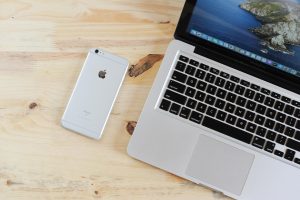
For instance, the MacBook Pro’s unibody aluminum chassis offers exceptional structural integrity and aesthetic appeal. iPhones incorporate Ceramic Shield glass, which Apple claims to be tougher than any smartphone glass. These premium components significantly increase production costs, but also elevate the perceived value of Apple devices.
Attention to Detail in Product Design
Apple’s design ethos prioritizes user experience, leading to devices that are both intuitive and elegant. Every curve, button, and port placement is the result of extensive user testing and refinement. Such meticulous design processes are expensive and time-consuming but are a hallmark of Apple’s identity.
Innovation at the Core: Research and Development
Investing in the Future
Apple invests billions of dollars annually into research and development (R&D). In fiscal year 2024, Apple’s R&D spending reached over $30 billion — a testament to its commitment to pushing technological boundaries. This investment fuels innovations like Apple’s M-series chips, custom silicon that dramatically enhances performance and energy efficiency in Macs and iPads.
Proprietary Technologies
Apple doesn’t just assemble components — it builds many of its technologies from the ground up. From the iOS and macOS operating systems to the M1, M2, and now M3 chipsets, Apple controls its hardware-software integration. This vertical integration delivers seamless performance and unique features, but also requires immense financial and technical resources, which are reflected in the final product prices.
The Power of the Apple Brand
Strategic Marketing and Consumer Perception
Apple has mastered the art of brand storytelling. Its advertising campaigns focus on simplicity, creativity, and innovation. Whether it’s an iPhone launch event or a minimalist product commercial, Apple’s marketing generates anticipation and emotional connection.
The brand commands an almost cult-like following, with consumers eagerly lining up for new product releases. This intense brand loyalty allows Apple to maintain its premium pricing while still achieving massive sales volumes.
Perceived Value and Status Symbol
Owning an Apple device is more than just a tech choice — it’s often perceived as a status symbol. The sleek design, iconic Apple logo, and clean interface contribute to a sense of exclusivity. For many users, the psychological appeal of being part of the “Apple ecosystem” justifies paying a premium price.
The Seamless Apple Ecosystem
Integration Across Devices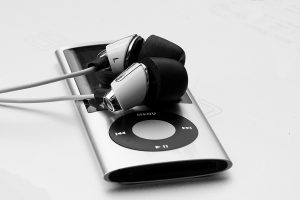
A major differentiator for Apple is its cohesive ecosystem. iPhones, iPads, MacBooks, Apple Watches, and even AirPods are designed to work flawlessly together. Features like AirDrop, Universal Clipboard, Handoff, and iCloud create a seamless user experience that encourages consumers to buy multiple Apple products.
Ecosystem Lock-In
Once consumers invest in the Apple ecosystem, they often find it inconvenient to switch to other platforms. This lock-in effect boosts customer retention and justifies higher pricing by offering unparalleled convenience and continuity across devices.
Commitment to Security and User Privacy
Privacy as a Feature
Apple has positioned privacy as a fundamental human right. Its devices come with robust security features such as Face ID, Touch ID, end-to-end encrypted messaging via iMessage, and on-device data processing for machine learning tasks like facial recognition.
Investment in Secure Infrastructure
Maintaining this level of privacy and security involves substantial investment in software engineering, data protection protocols, and regulatory compliance. These costs are integrated into the pricing of Apple devices, reflecting the company’s commitment to user data protection.
Customer Service and After-Sales Support
AppleCare and Genius Bar
Apple’s customer service is among the best in the tech industry. Services like AppleCare+ offer extended warranties and accidental damage coverage, while the Genius Bar provides expert in-person support. This high-touch service model demands significant investment in staff training and retail infrastructure, which contributes to higher product pricing.
Hassle-Free User Experience
From streamlined product returns to personalized setup assistance, Apple ensures a frictionless experience throughout the customer journey. This adds to the perceived value and overall customer satisfaction, justifying the premium pricing model.
Global Supply Chain and Geopolitical Factors
Complex Manufacturing Processes
Apple’s supply chain spans multiple continents, involving suppliers from over 30 countries. While outsourcing production to countries like China offers some cost efficiencies, Apple imposes strict quality control and labor standards, which can elevate manufacturing costs.
Tariffs and Economic Uncertainty
Recent geopolitical tensions and trade tariffs—particularly those affecting U.S.-China relations—have led to increased costs for components and logistics. For example, tariffs on Chinese imports have prompted Apple to explore alternate manufacturing hubs in India and Vietnam, but such transitions also involve significant capital investment. These added expenses inevitably influence product pricing.
Longevity, Resale Value, and Environmental Impact
Durable Products That Last
Apple products are engineered for longevity. With software support extending up to seven years in many cases, and hardware designed for long-term performance, users often hold onto their devices longer than they would with other brands.
High Resale Value
Due to their durability and continued software updates, Apple devices command high resale prices on the secondary market. This makes them a better long-term investment and offsets the initial cost for many consumers.
Sustainability and Environmental Responsibility
Apple has made strides toward environmental sustainability, committing to carbon neutrality across its entire supply chain by 2030. The company uses recycled materials and renewable energy in its production processes. While this adds operational complexity and cost, it appeals to environmentally conscious consumers and further justifies higher pricing.
Consumer Psychology and Emotional Branding
The “Apple Effect”
Apple has successfully crafted a brand that elicits emotional engagement. The “Apple Effect” refers to the strong emotional connections users develop with their devices — a blend of trust, admiration, and aspiration. This psychological bond allows Apple to maintain a premium perception that rivals struggle to emulate.
Minimalism, Control, and Simplicity
Apple’s software and hardware reflect a minimalist philosophy that emphasizes simplicity and ease of use. This design language resonates deeply with users who prioritize clean interfaces and intuitive functionality, reinforcing brand loyalty and the willingness to pay more.
Conclusion
The high cost of Apple products is not merely a result of brand hype or market positioning. It is rooted in a multifaceted strategy that combines innovative technology, meticulous design, seamless ecosystem integration, strong brand equity, and an unwavering commitment to security and customer satisfaction. Add to that the impact of global supply chain dynamics and consumer psychology, and it becomes clear that Apple’s pricing reflects both tangible and intangible value.
For consumers who prioritize quality, innovation, and a superior user experience, Apple products often represent not just a purchase, but an investment. While the debate over whether Apple is “worth it” may continue, millions around the world seem to believe it is — and they’re willing to pay the price to prove it.
Why Gold Remains Priceless in a Digital World