
 By admin
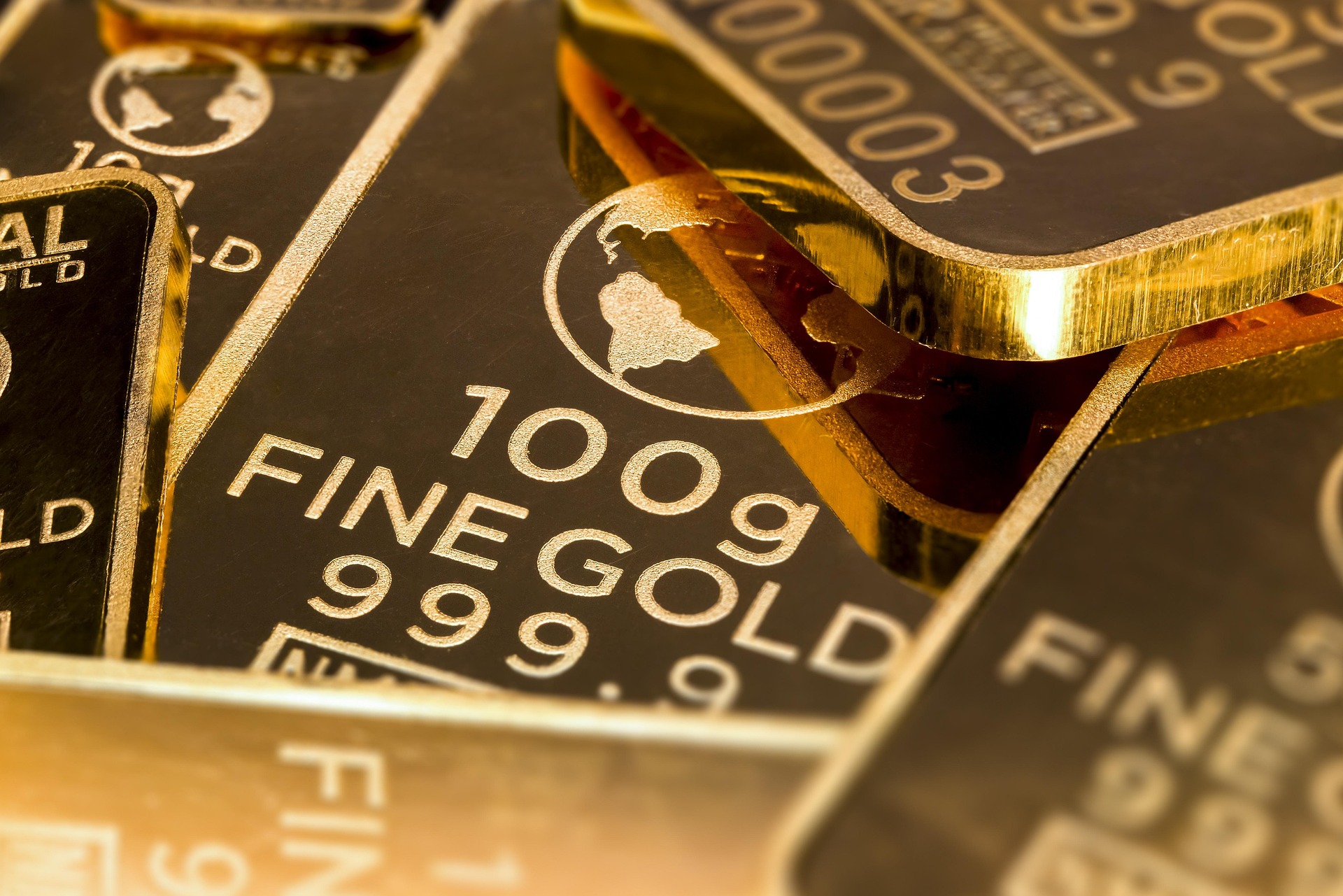
Why Is Gold Expensive Even Though It’s Not Rare in Nature?
Introduction
Gold has fascinated humanity for thousands of years, symbolizing wealth, power, and status across cultures and civilizations. From ancient Egyptian tombs to modern global financial markets, gold maintains its allure and high value. But a common question arises: Why is gold so expensive if it is not particularly rare in nature? Compared to elements like rhodium or platinum, gold is relatively more abundant. Yet, it consistently commands a high price. This paradox lies at the intersection of economics, chemistry, human psychology, and global finance.
This article explores the multifaceted reasons behind gold’s high value, examining everything from its physical and chemical properties to its economic roles, historical significance, and technological limitations. We also delve into how modern-day market dynamics, inflation, and digital trends like cryptocurrencies affect gold’s pricing and perception.
The Nature of Gold: Abundance vs. Accessibility
1.1 Gold in the Earth’s Crust
Gold is not the rarest metal found on Earth. In fact, the Earth’s crust contains an estimated 0.004 parts per million (ppm) of gold. While this is low, it’s not as rare as elements like osmium or rhodium. However, most of this gold is inaccessible—locked deep in the Earth’s core, beyond our current mining technology.
1.2 Distribution and Mining Challenges
Gold isn’t distributed evenly in the Earth’s crust. It tends to occur in trace amounts in certain regions and requires significant effort, technology, and cost to extract. Modern gold mining involves:
-
Excavating massive volumes of ore
-
Crushing and treating the ore with chemicals like cyanide
-
Refining the final metal
The average yield is about 1 gram of gold per ton of ore. This low yield combined with high operational costs makes gold extraction an expensive process, which contributes directly to its high market price.
Gold’s Unique Physical and Chemical Properties
2.1 Non-Reactive and Non-Tarnishable
Gold’s chemical inertness is one of its most unique features. Unlike silver or copper, it does not tarnish, corrode, or oxidize, making it exceptionally durable over time. This makes it ideal for:
-
Jewelry
-
Electronics
-
Medical applications
-
Investment-grade bullion
2.2 High Malleability and Conductivity
Gold is highly malleable and ductile, meaning it can be stretched into thin wires or beaten into sheets without breaking. It also has excellent thermal and electrical conductivity, making it valuable in high-end electronics, space technology, and microchips.
These physical properties not only make gold versatile but also justify its use in areas beyond adornment, further increasing demand.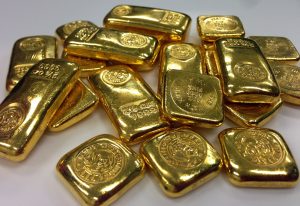
The Psychological and Cultural Value of Gold
3.1 Historical Significance
Gold has been used as currency, in rituals, and as a symbol of divinity since ancient civilizations. Its historical legacy deeply influences its modern value:
-
The ancient Egyptians associated gold with the gods and the afterlife.
-
In Roman times, gold coins symbolized imperial power.
-
During the Gold Standard Era, it backed global currencies.
This long-standing history reinforces gold’s perception as a store of value, even in today’s digital age.
3.2 Perceived Value and Trust
Gold maintains its value partly due to psychological trust. Unlike fiat currency, which is subject to inflation and political instability, gold is seen as:
-
A hedge against economic crises
-
A safe haven in volatile markets
-
A long-term store of wealth
This psychological stability ensures consistent demand, particularly during global uncertainty, such as wars, recessions, or pandemics.
Economic and Financial Dynamics
4.1 Gold and Inflation
Gold has historically performed well during periods of high inflation. When currencies lose purchasing power, investors often turn to gold to preserve their wealth. The correlation between inflation fears and gold prices keeps demand strong during uncertain economic conditions.
4.2 Supply and Demand Economics
Although gold is relatively abundant, its supply is tightly controlled:
-
Governments and central banks hold large gold reserves.
-
Major gold producers (like China, Australia, and Russia) regulate output.
-
Recycling from old jewelry and electronics forms a secondary, but limited, supply.
Meanwhile, demand spans across multiple sectors:
-
Jewelry (especially in India and China)
-
Investment (ETFs, bullion)
-
Industrial and technological applications
-
Central bank reserves
The inflexibility of supply combined with global demand contributes to maintaining a high price point.
4.3 Currency Devaluation and Geopolitical Tension
When currencies weaken or political instability rises, gold prices often spike. This is because gold is considered a global currency alternative, particularly in times when fiat currencies are deemed unreliable. Events like Brexit, the COVID-19 pandemic, and conflicts in the Middle East have repeatedly driven up gold prices.
Technological and Industrial Demand
5.1 Gold in Electronics and Aerospace
Gold is used in smartphones, computers, satellite components, and medical devices due to its excellent conductivity and reliability under extreme conditions. With the rise of:
-
5G networks
-
Electric vehicles
-
Green energy tech
… the industrial demand for gold is steadily increasing.
5.2 Recycling Limitations
While gold can be recycled from electronics and old jewelry, the process is:
-
Expensive
-
Environmentally hazardous
-
Not scalable to meet global demand
This bottleneck keeps primary mining relevant and expensive, sustaining high gold prices.
Gold vs. Other Investment Alternatives
6.1 Comparison with Cryptocurrencies
With the rise of Bitcoin and other cryptocurrencies, many expected gold to lose its status as a safe-haven asset. However, gold remains:
-
Physically tangible
-
Less volatile
-
Widely accepted globally
While crypto offers new opportunities, it lacks the centuries-old trust and legal infrastructure gold enjoys. Hence, gold continues to attract conservative investors.
6.2 Stock Market Correlation
Gold often has an inverse relationship with the stock market. During bull markets, gold may underperform. But in bear markets or crashes, investors move capital into gold, pushing prices up. This counter-cyclical behavior reinforces its role as a portfolio stabilizer.
Environmental and Ethical Considerations
7.1 Cost of Responsible Mining
The push for environmentally friendly and ethical mining practices has increased operational costs. Newer regulations enforce:
-
Reduced carbon emissions
-
Safer labor practices
-
Protection of indigenous lands
These added costs are passed on to the consumer, contributing to gold’s high retail price.
7.2 ESG Investment Trends
The rise in Environmental, Social, and Governance (ESG) investing is encouraging companies to source responsibly mined gold. Ethical gold typically comes at a premium, reinforcing the value chain and overall market price.
Conclusion
Although gold may not be the rarest element in nature, its value is determined by far more than simple scarcity. It is the combination of complex mining processes, unique physical properties, cultural and psychological significance, economic stability, and rising industrial demand that justifies its high price.
In a rapidly evolving world, gold remains a consistent symbol of wealth and security. Whether as jewelry, investment, or a strategic reserve, gold’s multifaceted role in human society ensures that its value will likely endure for generations to come.
Boost Traffic Without Breaking the Bank