
 By admin

Introduction
Offline gambling, also known as traditional or land-based gambling, has stood the test of time. From ancient dice games to opulent modern casinos, the allure of chance and the promise of big winnings continue to captivate millions worldwide. However, behind the glitz and glamour lies a darker truth—offline gambling can be a deceptive, addictive, and even dangerous pursuit for many individuals. With flashy promotions, high payouts, and seemingly endless opportunities to “strike it rich,” offline gambling remains a billion-dollar industry that feeds off human psychology and risk-taking behavior.
In this article, we explore the world of offline gambling from every angle—its persistent appeal, the psychological traps it sets, the dangers of addiction, and the sophisticated scams that often go unnoticed. We also provide modern insights from recent studies and mental health research to better understand the impact of this controversial industry on individuals and society.
The Enduring Popularity of Offline Gambling
A Cultural Phenomenon
Offline gambling has deep historical roots. From Roman emperors to 19th-century saloons in the Wild West, gambling has always been part of human culture. Today, it continues to flourish in casinos, horse tracks, poker rooms, and local betting shops. While technology has introduced online gambling as a competitor, many still prefer the tangible, immersive experience that offline venues offer.
The Social Experience
One reason offline gambling persists is its social component. Casinos and betting halls are often seen as entertainment destinations. Friends gather around roulette tables, poker tournaments build camaraderie, and slot machines provide solitary thrill seekers with a rush of adrenaline. These environments are carefully designed to keep players engaged—dim lighting, no clocks, and endless refreshments all contribute to the illusion of timeless fun.
The Mechanics Behind Offline Gambling Scams
False Promises and Psychological Tricks
Offline casinos invest heavily in marketing campaigns that promise high payouts and quick riches. Huge billboards with jackpot winners and catchy slogans like “Your Fortune Awaits” are not just advertisements—they are psychological traps. These messages manipulate people’s perception of risk and reward, encouraging them to spend more time and money chasing what is statistically unlikely: a significant win.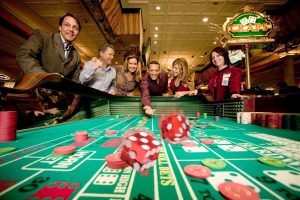
The House Always Wins
No matter the game, the odds in a casino are always stacked in favor of the house. Whether it’s blackjack, roulette, or slot machines, every game has a built-in mathematical edge that ensures the casino profits in the long run. This “house edge” is often hidden behind exciting themes and immersive graphics, making it harder for players to understand the true risks they’re taking.
Gambling Addiction: A Silent Epidemic
Recognizing the Signs
Gambling addiction is a psychological disorder characterized by an uncontrollable urge to gamble despite harmful consequences. According to recent research from the National Council on Problem Gambling, approximately 6 million adults in the United States struggle with gambling-related issues, and many are unaware of the severity of their addiction.
Self-Assessment Questions
To determine whether someone might be struggling with a gambling problem, experts recommend asking the following:
-
Do you feel regret or resentment after losing money gambling?
-
Do you feel compelled to return and try to win back your losses?
-
Do you often gamble longer than you intended?
-
Do you use gambling as an escape from personal problems?
-
Do you borrow money to finance gambling?
-
Do you argue with loved ones over gambling habits?
-
Do you keep gambling until your last dollar is gone?
Answering “yes” to multiple questions may indicate the need for professional help.
Types of Gambling Addicts
Escape Gamblers
This group includes predominantly women aged 30 and above who use gambling as a coping mechanism. Emotional pain, loneliness, depression, and boredom often drive them toward the temporary distraction that gambling provides. Fortunately, with counseling and behavioral therapy, escape gamblers can often recover within three to six months.
Action Gamblers
These are typically men who derive an intense thrill from the act of gambling itself. For action gamblers, the rush is akin to a drug high. They tend to be more competitive and driven, making them resistant to acknowledging their problem. Action gambling is far more difficult to treat, as denial is a major barrier to recovery.
The Economic and Social Cost of Offline Gambling
Impact on Families and Communities
While the gambling industry generates massive revenues for governments and businesses, it comes at a steep societal cost. Problem gambling often leads to:
-
Financial ruin
-
Job loss and absenteeism
-
Domestic conflict
-
Mental health issues
-
Increased rates of divorce and child neglect
These ripple effects extend far beyond the individual gambler, affecting families, workplaces, and entire communities.
Gambling and Crime
Offline gambling can also be linked to criminal activity. To finance their habits, problem gamblers may resort to theft, fraud, or other illegal activities. Moreover, some offline venues may be associated with organized crime, money laundering, and other under-the-table operations.
Modern Approaches to Addressing Gambling Problems
Therapy and Counseling
Cognitive Behavioral Therapy (CBT) has shown promising results in treating gambling addiction. CBT helps individuals identify irrational beliefs and triggers that lead to compulsive behavior. Support groups such as Gamblers Anonymous also provide a safe environment for individuals to share their experiences and seek guidance.
Policy and Regulation
Governments and regulatory bodies have implemented various measures to mitigate the risks of offline gambling:
-
Mandatory self-exclusion programs
-
Warning labels on gambling advertisements
-
Gambling awareness campaigns
-
Limits on maximum bets and time spent in casinos
These interventions aim to create a safer gambling environment while educating the public about the associated risks.
Offline Gambling vs. Online Gambling: A New Frontier
While online gambling has grown significantly over the last decade, offline gambling continues to thrive. For many, the physical environment and sensory stimulation of traditional casinos cannot be replicated online. However, the risks remain the same, and in many cases, offline gambling can be more seductive due to its immersive nature.
Conclusion
Offline gambling remains a complex, multifaceted issue. While it provides entertainment and economic benefits, it also carries a high risk of addiction, financial distress, and emotional turmoil. The industry thrives on the hope of easy riches, but for many, it leads to devastating losses.
Understanding the psychological mechanics of gambling, recognizing early warning signs, and seeking timely intervention are essential steps toward mitigating the harmful effects of this age-old activity. As society becomes more aware of gambling’s dangers, increased regulation, education, and access to treatment can help reduce its destructive impact and promote healthier alternatives.
Affiliates for Your Niche Website