
 By admin
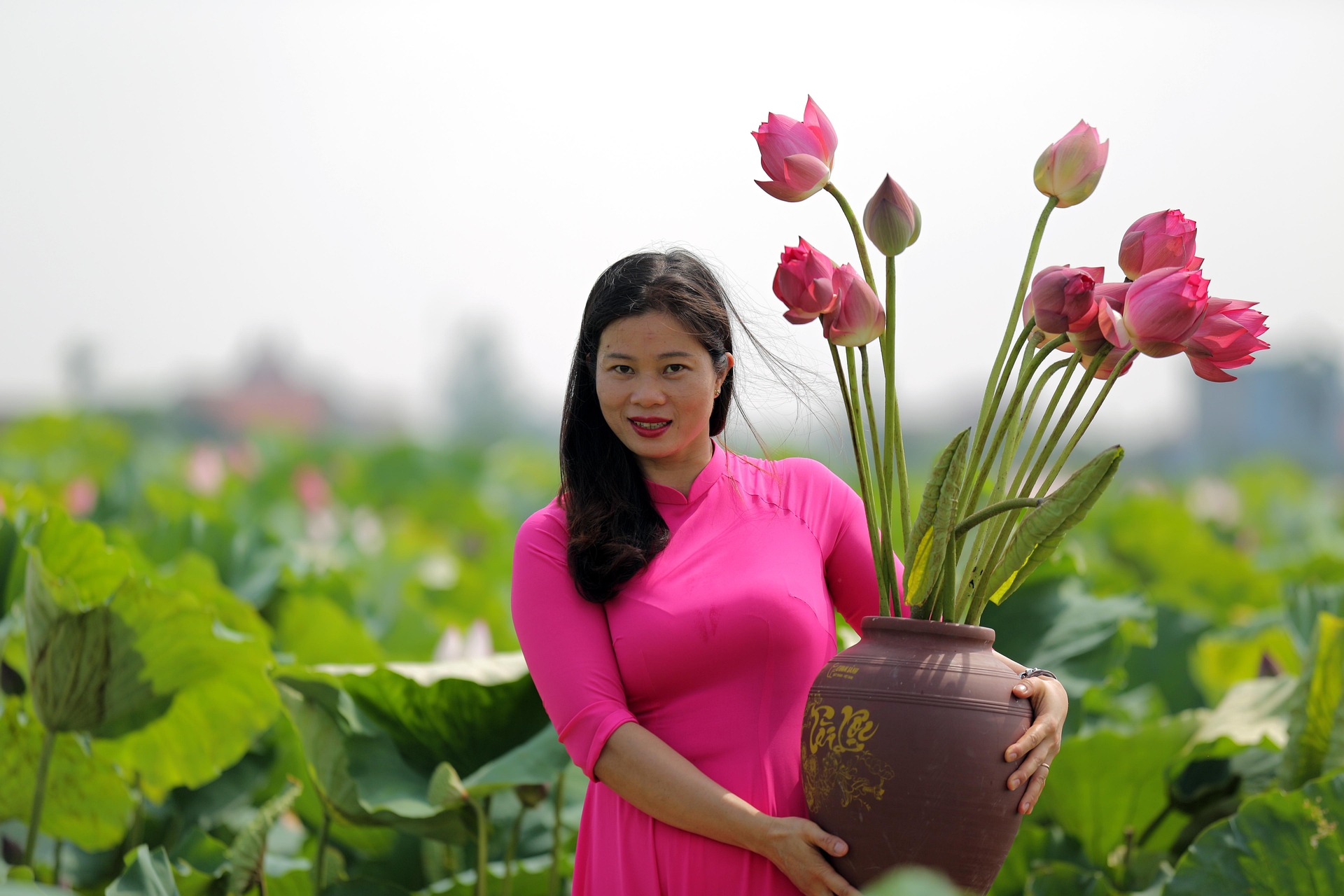
Creating a Thriving Wildflower Garden: A Comprehensive Guide
A wildflower garden is a beautiful and ecologically beneficial addition to any landscape. It not only enhances the aesthetic appeal of outdoor spaces but also plays a crucial role in supporting local biodiversity, including pollinators such as bees, butterflies, and hummingbirds. By carefully selecting native wildflowers and replicating their natural habitat, you can cultivate a vibrant garden that offers seasonal blooms from early spring to late autumn. This guide provides an in-depth look at how to create and maintain a flourishing wildflower garden while incorporating sustainable gardening practices.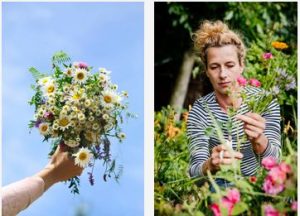
Understanding Wildflower Ecology
Wildflowers have unique environmental preferences shaped by their native habitats. Understanding these needs is essential for successful cultivation. When planning your wildflower garden, consider the following factors:
- Soil Type: Different species thrive in different soil compositions. Some wildflowers prefer sandy, well-draining soil, while others require nutrient-rich, loamy soil.
- Sunlight Exposure: Wildflowers have varying light requirements, ranging from full sun to partial shade.
- Moisture Levels: Some species, such as swamp milkweed, thrive in wet conditions, whereas others, like black-eyed Susans, prefer drier soils.
- Companion Planting: Observing how wildflowers grow in nature can help recreate harmonious plant groupings in your garden.
By carefully assessing these factors, you can create an environment where wildflowers will flourish naturally.
Selecting and Sourcing Wildflowers
When choosing wildflowers for your garden, opt for native species that are well-adapted to your region’s climate and soil conditions. Native wildflowers require less maintenance, are more resistant to pests, and contribute to local ecosystem health. Ethical sourcing is crucial—avoid harvesting wild plants from their natural habitats unless they are abundant. Instead, purchase seeds or plants from reputable nurseries specializing in native species.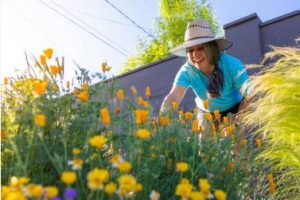
Popular wildflowers suitable for various regions include:
- Eastern U.S.: Purple coneflower, bee balm, black-eyed Susan, cardinal flower
- Western U.S.: California poppy, lupine, blue flax, goldenrod
- Midwest: Prairie blazing star, wild bergamot, butterfly weed, Joe Pye weed
- Southern U.S.: Coreopsis, swamp sunflower, tickseed, phlox
Preparing the Garden Site
Proper site preparation is key to establishing a successful wildflower garden. Follow these steps:
- Choose an Appropriate Location: Identify an area with suitable sunlight and soil conditions for the selected species.
- Clear the Land: Remove existing vegetation, including grass and invasive weeds, to reduce competition.
- Improve Soil Quality: If necessary, amend the soil with organic compost to enhance fertility and drainage.
- Implement Drainage Solutions: In areas prone to water retention, incorporate sand or small stones to improve drainage.
Planting Wildflowers
Wildflowers can be introduced into the garden through seeds, seedlings, or transplants. Each method has its advantages:
- Seeding: Ideal for covering large areas, seeds should be sown in late fall or early spring for optimal germination.
- Transplanting: Best for specific placements, young plants should be moved after their blooming period with a portion of their native soil.
- Plug Planting: Using nursery-grown plugs can accelerate establishment and provide a more immediate visual impact.
Creating a Seasonal Bloom Schedule
To ensure continuous flowering throughout the year, stagger your plant selections based on bloom time:
- Spring: Bloodroot, spring beauty, hepatica, Dutchman’s breeches
- Summer: Coneflower, black-eyed Susan, butterfly weed, wild bergamot
- Fall: Goldenrod, aster, Joe Pye weed, ironweed
This succession of blooms not only maintains garden vibrancy but also provides a continuous nectar source for pollinators.
Caring for Your Wildflower Garden
Wildflower gardens are relatively low-maintenance but require some care to thrive:
- Watering: While native wildflowers are drought-tolerant, occasional watering during dry spells is beneficial.
- Weeding: Regularly remove invasive species to prevent them from overpowering native plants.
- Mulching: Applying organic mulch helps retain soil moisture, suppress weeds, and regulate temperature.
- Deadheading and Pruning: Removing spent flowers encourages further blooming and prevents aggressive self-seeding.
- Soil Enrichment: Periodically add compost or natural fertilizers to maintain soil health.
Encouraging Pollinators and Wildlife
A wildflower garden supports a diverse range of pollinators and beneficial insects. To enhance habitat quality:
- Plant a variety of nectar-rich flowers to attract bees, butterflies, and hummingbirds.
- Avoid pesticides and chemical fertilizers, as they can harm pollinators.
- Provide water sources such as shallow dishes with pebbles for butterflies and bees to land on.
- Incorporate native grasses and shrubs to create shelter for wildlife.
Expanding Your Wildflower Collection
Once your garden is established, consider introducing additional wildflower species to increase diversity. Observe which plants thrive and adjust planting strategies accordingly. Over time, you can create microhabitats within your garden that cater to different species, further enhancing ecological balance.
Sustainable and Ethical Gardening Practices
Maintaining a wildflower garden in an environmentally responsible way ensures long-term sustainability:
- Collect Seeds Responsibly: Allow some flowers to go to seed and collect them for future plantings.
- Support Local Nurseries: Purchase from sources that specialize in native plants to prevent ecological disruption.
- Avoid Invasive Species: Introduce only non-invasive native plants to protect local ecosystems.
- Encourage Community Awareness: Share knowledge with neighbors and participate in local conservation efforts.
Conclusion
Creating a wildflower garden is an enriching endeavor that benefits both the environment and personal well-being. By selecting native species, replicating natural habitats, and practicing sustainable gardening techniques, you can cultivate a stunning landscape that supports biodiversity and provides year-round beauty. Whether you are a novice gardener or an experienced horticulturist, embracing wildflowers will bring you closer to nature while contributing to ecological conservation.
Choosing the Perfect Garden for Your Lifestyle