
 By admin
Crafting Your Own Christmas Decorations vs. Buying Them: A Comprehensive Guide to Holiday Decor
The holiday season, particularly Christmas, is a time of joy, reflection, and celebration for millions around the globe. From exchanging gifts to gathering with loved ones, the traditions of Christmas are steeped in warmth and festivity. Among the most cherished aspects of the season is decorating—transforming homes, yards, and public spaces into festive wonderlands that embody the spirit of the holidays. However, a key decision looms for those preparing to deck their halls: should you craft your own Christmas decorations, or is it better to purchase them ready-made? This question is more than a matter of aesthetics; it involves considerations of time, cost, creativity, and personal satisfaction. In this in-depth exploration, we’ll dive into the pros and cons of both approaches, providing you with the insights and data needed to make an informed choice for your holiday decorating needs in 2025.

The Appeal of Buying Christmas Decorations: Convenience, Variety, and Professional Quality
When it comes to holiday decorating, purchasing ready-made Christmas decorations is often the go-to choice for many households. The reasons are clear: it’s convenient, accessible, and offers a level of polish that’s hard to replicate at home. Let’s break down why buying decorations might be the right path for you.
One of the standout benefits of purchasing Christmas decorations is the sheer variety available. Retail stores, both physical and online, are stocked with an extensive range of products. According to a 2024 report by the National Retail Federation, U.S. consumers spent an average of $920 on holiday decorations, gifts, and seasonal items, with decorations alone accounting for a significant portion of that budget. Major retailers like Walmart, Target, and Amazon offer everything from classic Christmas trees and twinkling string lights to intricate ornaments, lawn inflatables, and themed kitchenware. Whether you prefer a minimalist Scandinavian aesthetic with muted tones or a vibrant, multicolored display, there’s something for every taste and home style. Specialty stores like Hobby Lobby or Michaels take this a step further, providing niche items such as vintage-inspired baubles or eco-conscious decor made from recycled materials.
Time efficiency is another compelling reason to buy decorations. The holiday season is notoriously hectic, with shopping, cooking, and family gatherings filling up schedules. For many, the idea of carving out hours—or even days—to craft decorations feels impractical. Online shopping has revolutionized this process, allowing consumers to browse thousands of options from the comfort of home. A 2023 Statista survey found that 65% of holiday shoppers in the U.S. used e-commerce platforms for at least part of their seasonal purchases, citing convenience as the top reason. Retail stores also cater to last-minute needs, with pre-lit trees, ready-to-hang wreaths, and plug-and-play light displays available for quick setup.
The professional quality of store-bought decorations is another key advantage. These items are often crafted with durable materials like shatterproof plastic, UV-resistant fabrics, or weatherproof metals, ensuring they withstand years of use. For example, a high-end pre-lit artificial Christmas tree from Balsam Hill can last up to 10 years with proper care, while LED lights from brands like Philips Hue are designed to burn for 15,000 hours or more. The intric ate designs and cohesive themes of store-bought decor also lend a polished, magazine-worthy look to holiday setups, which is particularly appealing for those hosting gatherings or aiming to impress neighbors with a standout outdoor display.
Finally, buying decorations provides access to specialty items that are difficult or impossible to replicate at home. Animated yard displays, such as a waving Santa or a dancing snowman, often require electrical components and weatherproofing that go beyond the average DIYer’s skill set. Similarly, pre-lit trees with fiber-optic lights or app-controlled color-changing features offer a level of technological sophistication that’s hard to match with homemade alternatives. These products save time and effort while delivering a high-impact festive effect.
The Rewards of Making Your Own Christmas Decorations: Creativity, Connection, and Sustainability
On the other side of the coin, crafting your own Christmas decorations offers a deeply personal and rewarding experience. While it may require more time and effort, the benefits of DIY decor are significant, particularly for those who value creativity, individuality, and sustainability. Let’s explore why making your own decorations might resonate with you.
Customization is perhaps the most compelling reason to go the DIY route. When you craft your own decorations, you have complete control over the design, colors, and materials. This allows you to tailor your holiday decor to your home’s unique layout and aesthetic. For instance, if you have a small apartment, you can create space-saving decorations like a wall-mounted paper tree or a tabletop wreath. If your home leans toward a rustic vibe, you might opt for wooden ornaments or burlap garlands. A 2024 survey by Etsy revealed that 78% of DIY enthusiasts value the ability to create one-of-a-kind items, with holiday decor ranking among the top categories for handmade projects. This level of personalization ensures your decorations are not only beautiful but also a true reflection of your style and vision.
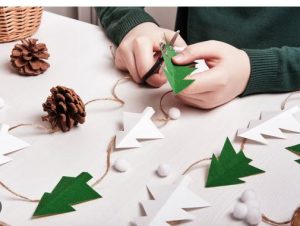
Homemade decorations also carry a personal touch that store-bought items often lack. A hand-painted ornament, a knitted stocking, or a garland strung with family photos can infuse your home with warmth and nostalgia. These pieces tell a story—whether it’s a child’s first holiday craft or a collaborative family project—and become cherished keepsakes over time. In a 2023 poll by the Craft & Hobby Association, 62% of respondents said that handmade decorations made their holidays feel more meaningful, with many citing the emotional connection to the items as a primary factor.
Crafting decorations can also serve as a bonding experience for families, friends, or even communities. Gathering around a table to make wreaths, ornaments, or paper snowflakes fosters connection and creates lasting memories. For parents, involving children in the process can spark creativity and teach valuable skills like patience and resourcefulness. Schools and community centers often host holiday craft workshops, further emphasizing the social value of DIY decor. In fact, a 2024 study by the American Psychological Association found that group crafting activities reduced stress levels by 45% among participants, highlighting the therapeutic benefits of this holiday tradition.
From a practical standpoint, making your own decorations can be both eco-friendly and budget-friendly. Repurposing materials you already have at home—such as old jars, fabric scraps, or pinecones—reduces waste and minimizes the need to purchase new items. According to the Environmental Protection Agency, the average American generates 25% more waste during the holiday season, much of it from packaging and discarded decorations. DIY projects help combat this by giving new life to everyday objects. For example, mason jars can be painted and filled with fairy lights to create glowing lanterns, while wine corks can be glued together to form miniature Christmas trees. These sustainable practices not only save money but also align with growing consumer demand for environmentally conscious products, as evidenced by a 2024 Nielsen report showing that 73% of global consumers are willing to change their habits to reduce environmental impact.
The Hybrid Approach: Blending Store-Bought and Handmade Elements
If neither option feels entirely right, a hybrid approach might be the perfect solution. This method allows you to combine the convenience and quality of store-bought decorations with the creativity and personal touch of DIY projects. For instance, you can purchase a plain wreath from a retailer and embellish it with your own additions, such as ribbons, pinecones, or handmade ornaments. Similarly, a store-bought artificial tree can be customized with homemade garlands or a unique tree topper crafted from recycled materials. This approach offers flexibility, enabling you to save time on complex items while still adding your personal flair to the overall look.
The hybrid method is particularly popular among younger generations, with a 2024 Pinterest report showing that 68% of Gen Z and millennial users searched for “DIY holiday decor hacks” that incorporated store-bought elements. This trend reflects a desire for both efficiency and individuality, as well as a growing interest in sustainable and budget-conscious decorating solutions.

Weighing the Downsides: Costs, Time, and Skill Requirements
Of course, both options come with potential drawbacks that are worth considering. For store-bought decorations, cost is a major factor. High-quality items, especially those designed for outdoor use or multi-room decorating, can be expensive. A 2024 analysis by Consumer Reports found that the average cost of a pre-lit artificial Christmas tree ranges from $150 to $500, while outdoor light displays can easily exceed $200. For households on a tight budget, these expenses may feel prohibitive, particularly if decorations need to be replaced or updated annually.
Another downside of buying decorations is the limited personalization. While there are countless options available, finding something that perfectly matches your vision can be challenging. Mass-produced items, by their nature, lack the unique charm of handmade pieces, and even specialty stores may not carry exactly what you’re looking for.
On the DIY side, the primary drawback is the time commitment. Crafting decorations from scratch can be labor-intensive, especially for intricate projects like hand-sewn stockings or custom wreaths. For beginners, the learning curve can also be steep, requiring patience and practice to achieve a polished result. Additionally, some decorations—such as those involving electrical components or weatherproof materials—may demand skills or tools that are beyond the average DIYer’s capabilities.

Making the Decision: What’s Right for You?
The choice between buying and making Christmas decorations ultimately hinges on your priorities, lifestyle, and values. If convenience, professional quality, and variety are your top concerns, purchasing ready-made decorations is likely the best fit. This option is ideal for busy individuals, those hosting large gatherings, or anyone aiming for a cohesive and sophisticated look without the hassle of crafting.
Conversely, if creativity, personalization, and sustainability are more important to you, making your own decorations offers a fulfilling and meaningful alternative. This approach suits those who enjoy hands-on projects, want to involve family or friends in the process, or are looking to save money and reduce waste.
For those who can’t decide, the hybrid approach provides a balanced solution, blending the ease of store-bought items with the individuality of DIY creations. Regardless of your choice, the goal of holiday decorating remains the same: to create a festive, welcoming atmosphere that brings joy to you and your loved ones.
Fun and Meaningful Thanksgiving Traditions