
 By admin
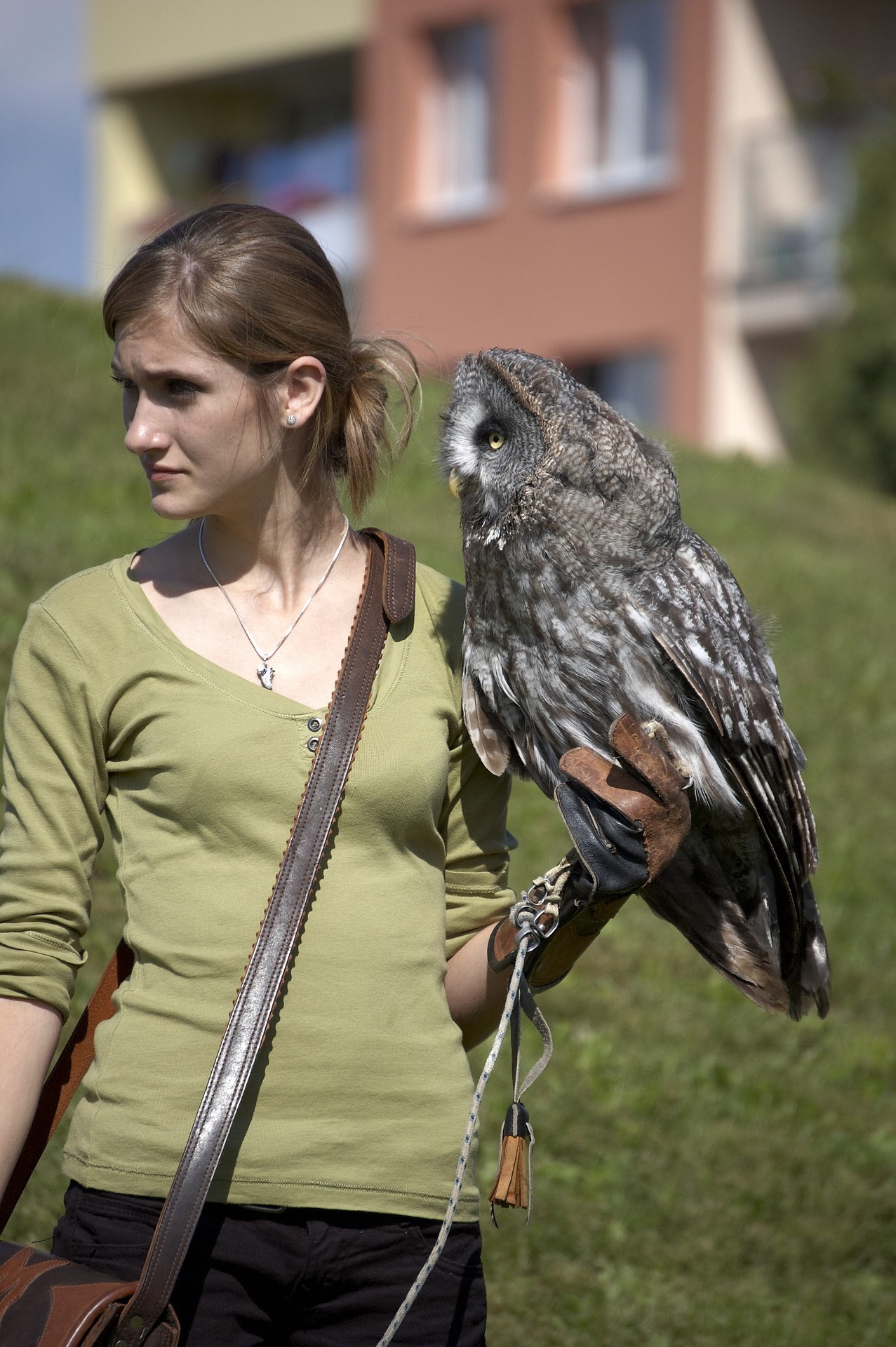
The falcon, a symbol of power, agility, and grace, has captured human imagination for centuries. Known for its unparalleled speed and sharp hunting instincts, the falcon stands as one of the most revered birds of prey. This article delves into the fascinating world of falcons, exploring their biology, behaviors, cultural significance, and the challenges they face in the modern world.
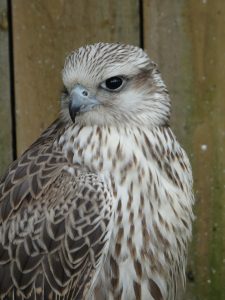
Biology and Physical Characteristics
Falcons belong to the family Falconidae, which includes over 60 species, such as the peregrine falcon (Falco peregrinus), gyrfalcon (Falco rusticolus), and kestrel (Falco tinnunculus). They are found on every continent except Antarctica, showcasing their adaptability to diverse environments.
One of the most striking features of falcons is their aerodynamic build. Their wings are long and pointed, enabling remarkable speed and agility in flight. The peregrine falcon, in particular, is renowned for being the fastest bird in the world, capable of reaching speeds of over 240 miles per hour (386 km/h) during a hunting stoop.
Falcons also have exceptional eyesight, which is estimated to be eight times sharper than that of humans. This acute vision allows them to spot prey from great distances. Their beaks are another defining trait; the hooked shape and specialized “tooth” on the upper mandible make it easier for falcons to kill prey swiftly.
Diet and Hunting Techniques
Falcons are carnivorous birds, primarily preying on other birds, small mammals, and insects. Their diet varies depending on their habitat and the availability of food. For example, the kestrel often feeds on insects and small rodents, while the peregrine falcon specializes in catching birds mid-flight.
Their hunting technique is a marvel of nature. Falcons often hunt by soaring high in the sky, scanning the ground for movement. Once prey is spotted, they dive at breathtaking speeds, using their talons to strike with precision. This method, known as a “stoop,” is not only effective but also showcases their incredible physical capabilities.
Reproduction and Lifecycle
Falcons are generally monogamous and often mate for life. During the breeding season, males perform elaborate aerial displays to attract females. Once paired, the female lays a clutch of 2-5 eggs in a scrape, usually located on cliffs, tall trees, or even urban skyscrapers.
The incubation period lasts about 28-35 days, during which both parents share responsibilities. Once hatched, the chicks, called eyasses, are entirely dependent on their parents for food and protection. They fledge after 35-45 days but remain under parental care for several weeks to learn hunting and survival skills.
Cultural and Historical Significance
Falcons have held a special place in human culture and history. In ancient Egypt, the falcon-headed god Horus symbolized protection and kingship. Similarly, falconry—the art of training falcons for hunting—has been practiced for over 4,000 years, originating in Central Asia and spreading to Europe and the Middle East.
Falconry remains a cherished tradition in many cultures, particularly in the Arab world. Here, falcons are not just hunting companions but also symbols of status and heritage. Modern falconry often involves advanced breeding and conservation techniques, ensuring the preservation of these magnificent birds.
Adaptability to Urban Environments
In recent decades, falcons have shown an impressive ability to adapt to urban settings. Cities with tall buildings mimic their natural cliffside nesting sites, and abundant pigeon populations provide a steady food source. Peregrine falcons, in particular, have become common sights in urban landscapes, demonstrating their resilience.
However, urban life is not without challenges. Falcons in cities face threats such as pollution, collisions with buildings, and disturbances from human activity. Conservation efforts have focused on mitigating these risks, including the installation of nesting boxes on skyscrapers.
Conservation Challenges
Despite their adaptability, falcons face numerous threats in the wild. Habitat destruction, climate change, and pesticide use have significantly impacted their populations. The widespread use of DDT in the mid-20th century, for instance, caused eggshell thinning, leading to a dramatic decline in peregrine falcon numbers.
Conservation organizations worldwide have worked tirelessly to protect falcons. The banning of DDT, along with captive breeding and reintroduction programs, has led to the recovery of many falcon species. Today, the peregrine falcon is often hailed as a conservation success story, having been removed from the U.S. Endangered Species List in 1999.
Unique Falcon Behaviors
Falcons exhibit several fascinating behaviors beyond their hunting prowess. For instance, many species engage in “kleptoparasitism,” where they steal food from other birds. They are also known for their territorial nature, fiercely defending their nesting sites against intruders.
During migration, some falcons travel thousands of miles to reach their wintering grounds. The Amur falcon (Falco amurensis), for example, undertakes one of the longest migrations of any raptor, flying from eastern Asia to southern Africa.
Falcons in Modern Science and Technology
Falcons have inspired advancements in science and technology. Their aerodynamic design has influenced the development of aircraft and drones. Researchers have also studied their vision and hunting techniques to improve robotics and artificial intelligence systems.
The Future of Falcons
As we look to the future, the survival of falcons depends on continued conservation efforts and public awareness. Protecting their habitats, reducing pesticide use, and mitigating climate change are essential steps. Education and eco-tourism can also play a role in fostering appreciation for these incredible birds.
Conclusion
Falcons are more than just birds of prey; they are symbols of resilience, adaptability, and natural beauty. From their awe-inspiring hunting techniques to their significant cultural impact, falcons continue to captivate and inspire. By understanding and protecting these majestic creatures, we ensure that future generations can share in the wonder of their world.