
 By admin
The Stork: A Symbol of Grace, Myth, and Ecological Significance
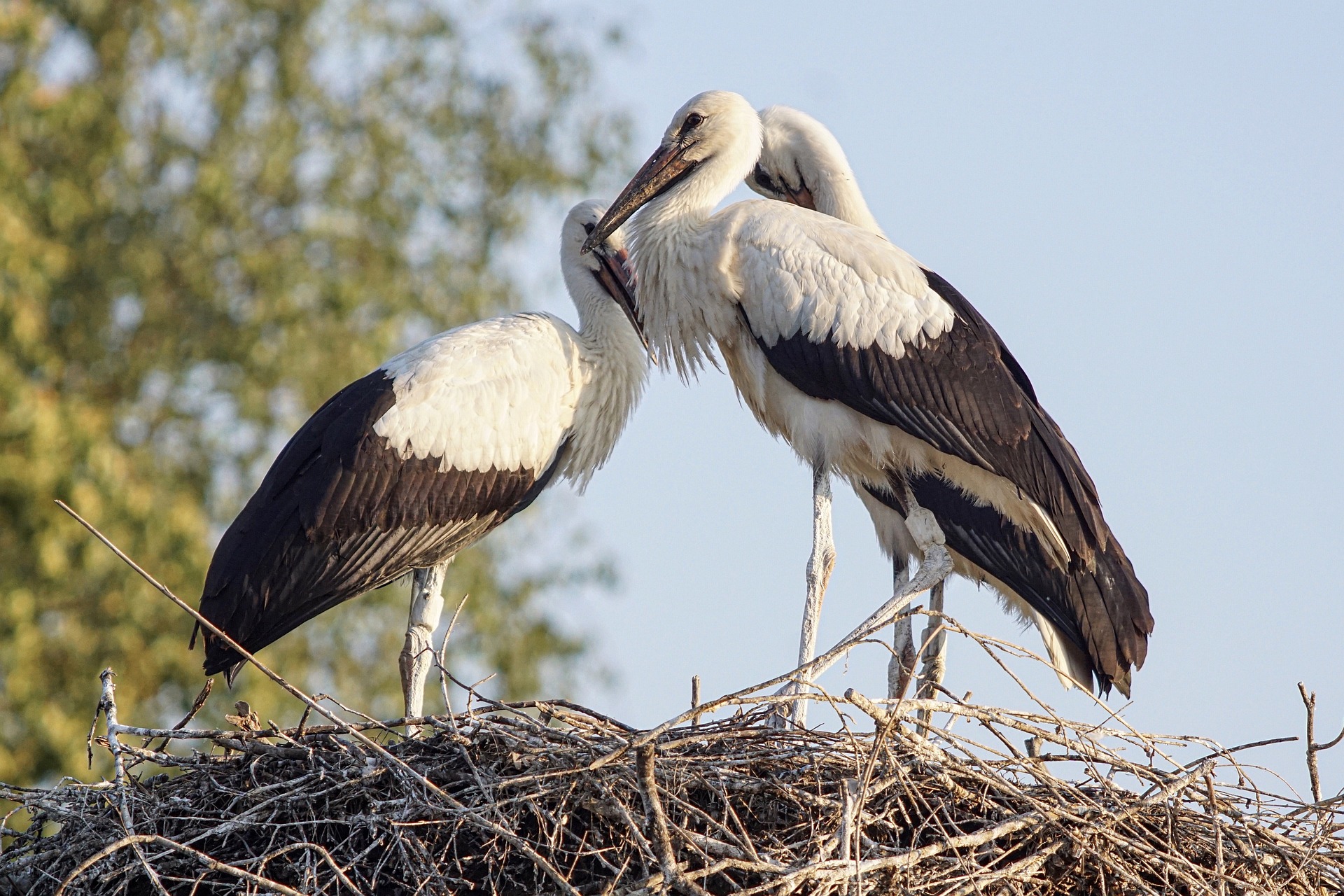
Storks, with their dignified presence and striking appearance, have captured human imagination for centuries. These large, long-legged wading birds belong to the family Ciconiidae, which encompasses 19 distinct species. Revered in folklore, celebrated in art, and vital to their ecosystems, storks offer a fascinating glimpse into the intersection of nature, culture, and science. This article explores their etymology, taxonomy, fossil history, morphology, distribution, behavior, cultural significance, and ecological roles in over 1,300 words.
Etymology and Taxonomy
The term “stork” is derived from Old English storc, sharing roots with German (Storck) and Dutch (stork). These names may originate from an ancient root meaning “to prick” or “to stiffen,” a likely reference to the bird’s erect posture and pointed beak.
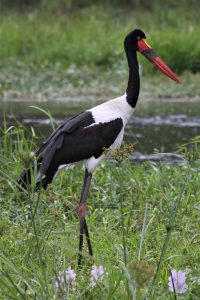
Storks belong to the order Ciconiiformes, which also includes herons and ibises. Within the family Ciconiidae, 19 species are categorized into six genera, such as Ciconia, Leptoptilos, and Mycteria. Iconic species include the white stork (Ciconia ciconia), the marabou stork (Leptoptilos crumenifer), and the saddle-billed stork (Ephippiorhynchus senegalensis).
Fossil History
Fossil evidence indicates that storks have existed for millions of years, with their origins traced to the Miocene epoch. These fossils suggest that storks have evolved alongside wetland ecosystems, adapting to various environmental changes. Notably, some ancient stork species inhabited regions now uninhabitable due to climatic shifts, highlighting the dynamic interplay between species and their habitats.
Morphology and Physical Characteristics
Storks are instantly recognizable by their unique morphology. Their long legs and necks, paired with sharp, robust beaks, are adaptations for wading and hunting prey in shallow waters. Adult storks range in size from 60 cm (24 inches) to over 150 cm (59 inches) in height. The marabou stork, one of the largest species, boasts a wingspan exceeding 3.7 meters (12 feet), making it a remarkable sight in flight.
Most storks exhibit predominantly white plumage with contrasting black wing markings. Some species, such as the saddle-billed stork, display vibrant red, yellow, and black coloring on their beaks and legs, with these features often playing a role in mating displays. Such bright plumage is typically an indicator of health and vitality.
Distribution and Habitat
Storks inhabit diverse regions across the globe, from tropical swamps in Africa to temperate zones in Europe and Asia. Their adaptability enables them to thrive in wetlands, grasslands, and forests. Wetlands, in particular, are critical habitats, offering ample food sources such as fish, amphibians, insects, and small mammals.
The white stork is among the most widespread species, breeding across Europe and migrating to Africa during winter. In contrast, the jabiru stork (Jabiru mycteria) is restricted to specific habitats in Central and South America. However, habitat destruction—driven by urbanization and agriculture—poses a significant threat to stork populations worldwide.
Migration and Movements
Migration is a hallmark of many stork species, with some traveling extraordinary distances each year. For example, the white stork migrates up to 10,000 kilometers (6,200 miles) between its European breeding grounds and African wintering sites. These birds utilize thermal currents to conserve energy during flight, often forming large flocks, or “kettles,” as they soar across continents.
Storks also exhibit regional movements, adapting to seasonal changes in food availability and climatic conditions. Their migratory routes provide valuable insights into global ecological patterns and the interconnectedness of ecosystems.
Feeding and Diet
Storks are carnivorous, feeding primarily on fish, amphibians, reptiles, and small mammals. Their sharp beaks are well-suited for capturing prey, whether wading through shallow waters or foraging in grasslands. As opportunistic feeders, storks also scavenge carrion, playing a vital role in nutrient recycling within ecosystems.
During the breeding season, storks intensify their foraging efforts to support their young. This behavior underscores their dependence on healthy ecosystems and their remarkable adaptability in exploiting diverse food sources.
Breeding and Reproductive Behavior
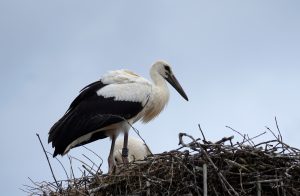
Storks are typically monogamous and form strong pair bonds. During the breeding season, both sexes collaborate to construct large nests made of sticks. These nests, often situated in trees, cliffs, or even on human-made structures like rooftops, are reused and expanded over years, sometimes reaching several meters in diameter and weighing hundreds of kilograms.
Courtship involves elaborate displays, including bill-clattering, a unique form of communication as storks lack a syrinx. Once eggs are laid, both parents share incubation duties and later feed the hatchlings by regurgitating food. Juvenile storks fledge within weeks but remain under parental care until they can fend for themselves.
Cultural Significance
Storks hold a special place in human culture, symbolizing fertility, renewal, and good fortune. In European folklore, the white stork is famously associated with delivering babies, a myth popularized by Hans Christian Andersen’s 19th-century fairy tale “The Storks.”
In Eastern Europe, storks nesting on rooftops are considered omens of prosperity and protection. Similarly, Asian cultures regard storks as symbols of longevity and harmony. These cultural associations reflect humanity’s enduring fascination with these majestic birds.
Associations with Fertility and Agriculture
In many societies, storks are linked to fertility and agricultural abundance. Their presence near farmlands is often interpreted as a harbinger of productive seasons. However, in some regions, storks are hunted for food, raising concerns about their conservation.
Threats and Conservation Efforts
Storks face numerous threats, including habitat loss, pollution, and climate change. Wetland drainage for agriculture disrupts critical breeding and feeding grounds, while pesticides and other pollutants reduce prey availability. Hunting and poaching further exacerbate population declines.
Several species, such as the Oriental stork (Ciconia boyciana), are classified as endangered. Conservation initiatives, including habitat restoration and legal protections, aim to address these challenges. Captive breeding and reintroduction programs have shown success, as evidenced by the resurgence of white stork populations in parts of Europe.
Ecological Importance
Storks play essential roles in ecosystems as predators and scavengers. By regulating prey populations, they help maintain ecological balance. Their scavenging activities contribute to nutrient cycling, particularly in wetland environments.
Furthermore, storks serve as bioindicators, reflecting the health of their habitats. Declining stork populations often signal broader environmental issues, prompting targeted conservation efforts.
The Path Forward
The future of storks depends on collective efforts to mitigate environmental challenges. Protecting wetlands, combating climate change, and enforcing anti-poaching laws are critical steps. Collaborative initiatives involving governments, NGOs, and local communities are essential for their survival.
Individual actions also play a role. Supporting sustainable agriculture, reducing plastic waste, and advocating for conservation policies can significantly impact. Public education campaigns emphasizing storks’ ecological importance can foster widespread support for their protection.
Conclusion
Storks are not just majestic birds; they are vital links in the intricate web of life. From their role as cultural icons symbolizing fertility and prosperity to their ecological contributions, storks embody the delicate balance between nature and humanity. Protecting these birds ensures the preservation of biodiversity and the health of ecosystems they inhabit. As symbols of resilience and guardians of wetlands, storks inspire us to cherish and protect our shared environment for generations to come.
The Fascinating World of Parrots