
 By admin
Gabon: An In-Depth Exploration of Africa’s Hidden Gem
Gabon, a country situated along the west coast of Central Africa, is a land of extraordinary biodiversity, cultural richness, and economic potential. Known for its expansive rainforests, unique wildlife, and emerging economy, Gabon offers a wealth of opportunities for exploration and investment. This article provides a comprehensive look at Gabon’s geography, economy, population, tourism, sports, and cultural heritage, shedding light on what makes this nation so unique.
Geography: A Land of Natural Wonders
Spanning approximately 267,667 square kilometers, Gabon lies on the equator, which contributes to its tropical climate and extraordinary natural beauty. The country shares borders with Equatorial Guinea to the northwest, Cameroon to the north, the Republic of the Congo to the east and south, and the Atlantic Ocean to the west. Its geography is characterized by dense rainforests, savannas, coastal plains, and river systems.
One of Gabon’s most notable geographical features is the Ogooué River, which flows through the country and serves as a critical resource for navigation and hydroelectric power. Approximately 85% of Gabon’s land is covered by forests, making it one of the most forested countries in the world. The nation is home to 13 national parks, including Loango National Park, often referred to as “Africa’s Last Eden,” renowned for its pristine beaches, mangroves, and diverse wildlife. Gabon’s equatorial climate ensures high humidity, significant rainfall, and relatively consistent temperatures year-round, creating an ideal environment for biodiversity.
Population: A Diverse and Urbanized Nation
Gabon’s population, estimated at approximately 2.3 million people, is marked by its ethnic diversity and high urbanization rates. The country is home to over 40 ethnic groups, including the Fang, Eshira, and Myèné peoples, each contributing to Gabon’s rich cultural tapestry through unique languages, traditions, and customs.
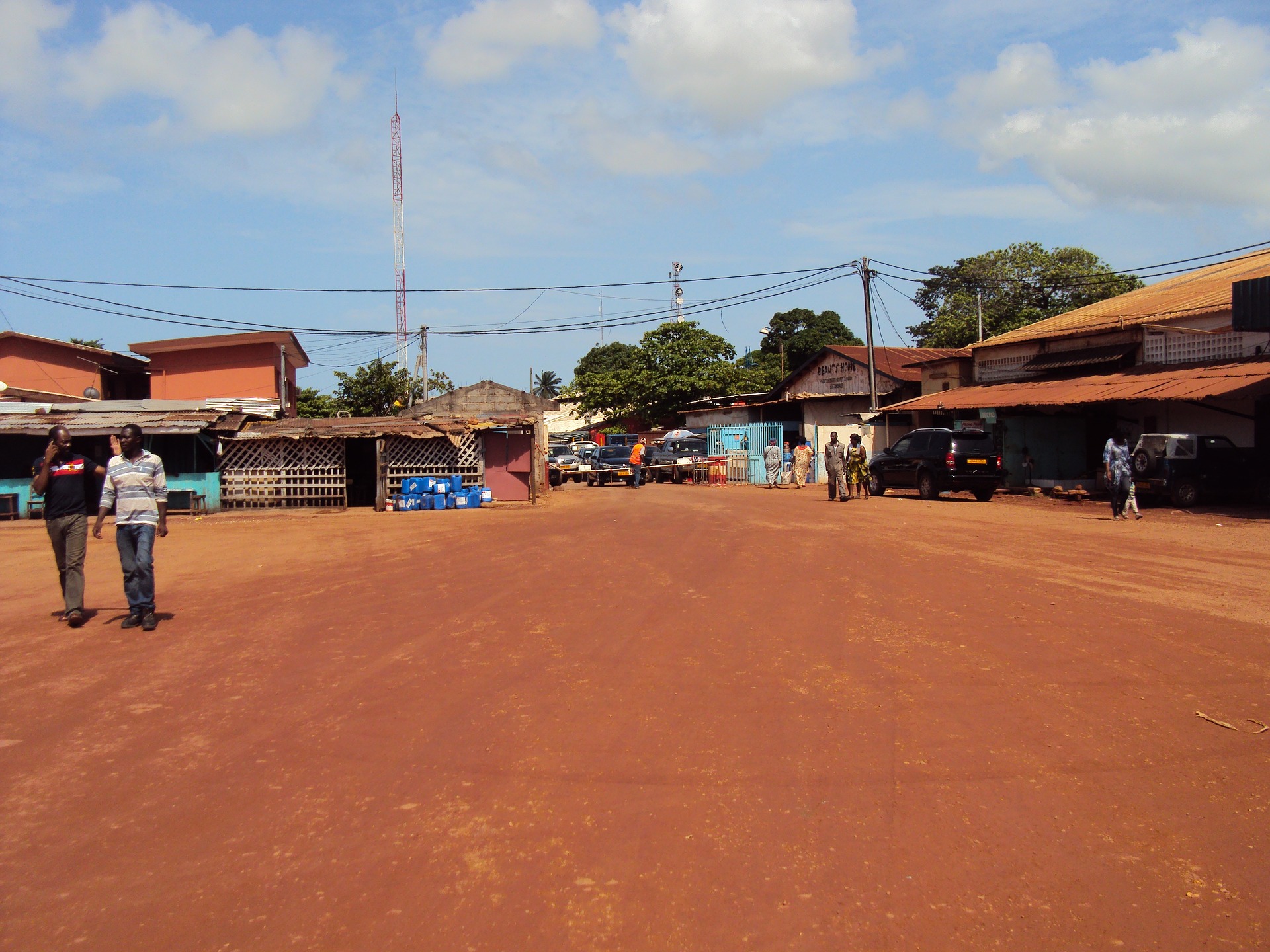
Urbanization plays a significant role in Gabonese life, with over 87% of the population residing in urban areas. Libreville, the capital and largest city, is a vibrant hub of political, economic, and cultural activity. Other major cities include Port-Gentil, known for its vital role in the oil industry, and Franceville, a center for mining operations. Despite its relatively low population density, Gabon’s urban centers are dynamic and rapidly developing.
Economy: An Oil-Driven Powerhouse with Diversification Efforts
Gabon boasts one of Africa’s most prosperous economies, heavily driven by its rich natural resources. Oil is the cornerstone of Gabon’s economy, accounting for roughly 40% of its GDP, 70% of export earnings, and 45% of government revenue. As the fifth-largest oil producer in Sub-Saharan Africa, Gabon benefits significantly from its extensive offshore and onshore reserves.
Diversification Initiatives
To reduce its dependence on oil and ensure long-term economic stability, Gabon is actively diversifying its economy by investing in several key sectors:
- Mining: Gabon is rich in minerals such as manganese, gold, and iron ore. The Moanda manganese mine is among the largest in the world, underscoring Gabon’s mining potential.
- Forestry: With its vast forests, Gabon is adopting sustainable logging practices to harness its timber resources responsibly.
- Agriculture: The government is prioritizing agricultural development to boost domestic food production and reduce reliance on imports.
- Tourism: Gabon’s natural beauty and biodiversity make it an ideal destination for eco-tourism, a sector that is gaining increasing attention.
Economic Challenges
Despite its wealth in natural resources, Gabon faces several economic challenges, including income inequality, high unemployment, and overreliance on oil revenues. To address these issues, the government is implementing reforms aimed at promoting inclusive growth and sustainable development.
Tourism: A Haven for Eco-Tourists and Adventure Seekers
Gabon’s unparalleled natural landscapes and unique cultural experiences position it as a top destination for eco-tourists and adventurers. The country’s national parks, diverse ecosystems, and rare wildlife offer visitors an authentic and unforgettable experience.
Top Tourist Destinations
- Loango National Park: Famous for its “surfing hippos” and unspoiled ecosystems, Loango offers a unique blend of savannas, rainforests, and beaches.
- Ivindo National Park: A UNESCO World Heritage Site, Ivindo is known for its breathtaking waterfalls, including Kongou Falls, and rich biodiversity.
- Pongara National Park: Located near Libreville, Pongara features stunning coastal scenery and serves as a nesting site for sea turtles.
- Lopé National Park: This park combines rainforest and savanna landscapes, home to elephants, gorillas, and ancient rock carvings.
- Point Denis: A popular beach destination close to Libreville, Point Denis is ideal for relaxation and water sports.
Sports: A Source of National Pride
Sports play a vital role in Gabonese society, fostering unity and national pride. Football is the most popular sport, with the national team, known as “The Panthers,” making notable appearances in regional competitions. Gabon has also hosted prestigious events such as the Africa Cup of Nations in 2012 and 2017.
Other sports, such as basketball and athletics, are gaining traction, with Gabonese athletes achieving success on international stages. Martial arts, including judo and taekwondo, also hold a significant place in the country’s sporting culture.
Culture: A Celebration of Diversity and Heritage
Gabon’s cultural richness is deeply rooted in its ethnic diversity. Music and dance are integral to Gabonese life, often accompanying social and ceremonial events. Traditional instruments such as harps and drums play a prominent role in these performances. The Bwiti religion, practiced by the Fang and Mitsogo peoples, is characterized by intricate rituals and spiritual music.
Festivals and Art
Gabonese festivals are vibrant celebrations of the nation’s heritage. Events like the Gabonese Carnival in Libreville showcase colorful parades, traditional dances, and contemporary performances. Gabonese art, particularly its intricately carved masks, reflects the spiritual and cultural significance of ancestral spirits and rituals.
Cuisine
Gabonese cuisine is a delightful fusion of African and French culinary traditions. Popular dishes include:
- Poulet Nyembwé: Chicken cooked in a rich sauce made from palm nuts.
- Brochettes: Grilled meat skewers served with sides like plantains.
- Saka-Saka: A dish made from cassava leaves, often paired with fish or meat.
Fresh seafood is abundant along Gabon’s coast, while tropical fruits such as mangoes, papayas, and pineapples add a refreshing touch to local meals.
Conclusion: Gabon’s Unique Appeal
Gabon is a nation that seamlessly blends natural beauty, cultural diversity, and economic potential. From its dense rainforests and stunning coastlines to its bustling cities and traditional villages, Gabon offers a unique charm that captivates visitors and investors alike. As the country continues to diversify its economy and adopt sustainable practices, it stands poised to become a beacon of growth and resilience in Central Africa. Whether you’re an adventurer seeking unspoiled landscapes or an investor eyeing emerging markets, Gabon invites you to discover its boundless opportunities.