
 By admin
The Art of Acting: An Evolving Craft from Ancient Rituals to the Digital Screen
Introduction: Acting as Humanity’s Living Reflection
For thousands of years, acting has stood at the intersection of art, psychology, and human connection. It is one of the oldest forms of storytelling known to civilization, predating written language and formal literature. Long before scripts were inked onto parchment, human beings gathered around fires, in temples, and in public spaces to reenact myths, honor gods, and make sense of the world through performance. Acting is not merely the act of pretending; it is the disciplined transformation of imagination into lived experience, allowing audiences to see themselves reflected in another human soul.
At its core, acting is the bridge between narrative and emotion. It transforms abstract ideas into tangible realities and fictional characters into believable human beings. Through voice, movement, facial expression, and psychological depth, actors breathe life into words, creating moments of truth that resonate across cultures and generations. Whether performed on a stone stage in ancient Greece, beneath the wooden beams of Shakespeare’s Globe Theatre, or through the lens of a high-definition digital camera, acting remains a powerful vehicle for empathy, education, and emotional release.
 In the modern era, acting has expanded far beyond the traditional stage. Film, television, streaming platforms, video games, motion capture, and virtual reality have reshaped the craft, demanding new skills while preserving its essential purpose. This article explores the art of acting as an evolving discipline—examining its historical roots, core techniques, training pathways, performance mediums, and future directions—while reaffirming its enduring significance in a rapidly changing world.
I. The Historical Evolution of Acting
1. Ritual, Myth, and the Birth of Performance
The origins of acting are inseparable from ritual and communal belief systems. Early performances were not designed for entertainment alone; they served sacred, educational confirms, and social functions. In ancient civilizations such as Egypt and Mesopotamia, dramatized religious ceremonies reenacted myths of death, rebirth, and divine judgment. These performances helped communities understand their place in the cosmos and reinforced shared values.
Ancient Greece marks the first major turning point in the formalization of acting as an art. During festivals honoring Dionysus, the god of wine and transformation, performers began to step out of the chorus to portray individual characters. Thespis of Icaria, often credited as the world’s first actor, revolutionized storytelling by engaging directly with the chorus, giving birth to dialogue and character-driven drama. Greek actors used masks, stylized movement, and heightened vocal projection to perform in massive amphitheaters, establishing foundational principles such as tragedy, comedy, and dramatic conflict.
2. Roman Influence and Medieval Continuity
The Romans adapted Greek theatre, emphasizing spectacle, entertainment, and realism. While Roman acting was often less philosophical than its Greek predecessor, it expanded the reach of performance throughout the empire. However, following Rome’s decline, formal theatre diminished in Europe.
Despite this, acting never disappeared. During the Middle Ages, performance survived through traveling troupes, minstrels, jesters, and religious pageants. Morality plays and mystery cycles dramatized biblical stories and ethical lessons, using allegory to communicate complex ideas to largely illiterate audiences. Acting during this period remained communal and instructive, deeply embedded in everyday life.
3. The Renaissance and the Rise of the Professional Actor
The Renaissance revived classical learning and artistic expression, ushering in a new era for acting. In England, the Elizabethan period produced a flourishing theatre culture. Permanent playhouses emerged, and acting became a recognized profession. William Shakespeare’s works demanded unprecedented emotional range, linguistic mastery, and psychological insight from performers.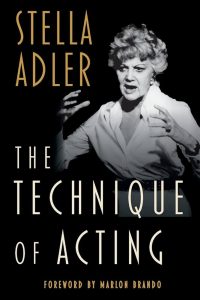
Actors in this era had to adapt quickly, perform multiple roles, and engage directly with audiences who were vocal, expressive, and sometimes unruly. Although female roles were played by young boys, performances explored complex themes of love, power, identity, and morality, laying the groundwork for modern character development.
4. Realism and the Birth of Modern Acting
The 19th and early 20th centuries marked a decisive shift toward realism. As society became more introspective and scientific, theatre began to explore everyday life and psychological truth. Konstantin Stanislavski’s revolutionary work transformed acting from external imitation to internal experience. His system encouraged actors to ask fundamental questions: What does my character want? Why do they behave this way? What would I do if I were in their circumstances?
Stanislavski’s ideas influenced generations of practitioners and directly led to the development of Method Acting in the United States. Figures such as Lee Strasberg, Stella Adler, and Sanford Meisner expanded and adapted his principles, shaping the dominant approaches to modern performance.
II. Core Skills and Techniques of the Actor
1. Voice: The Instrument of Meaning
The actor’s voice is a powerful expressive tool capable of conveying emotion, intention, and subtext. Professional vocal training focuses on breath control, articulation, resonance, pitch, rhythm, and accent work. A skilled actor can communicate authority, vulnerability, humor, or menace through subtle vocal choices alone.
In contemporary acting, vocal adaptability is essential. Actors may be required to perform classical verse one day and naturalistic dialogue the next, or switch between multiple accents for global productions. Voice acting further expands this discipline, demanding precision, imagination, and stamina.
2. Physicality and Movement
The body is as communicative as the voice. Physical acting involves posture, gesture, movement, and spatial awareness. Through movement training—such as mime, dance, stage combat, and biomechanics—actors learn to embody character psychology physically.
A confident character may move expansively, while an anxious one may shrink inward. Physical choices shape audience perception and reinforce emotional truth. In screen acting, even minimal movements can carry immense meaning due to the camera’s intimacy.
3. Emotional Depth and Psychological Awareness
Acting requires emotional intelligence and resilience. Actors must access genuine emotions while maintaining control and personal well-being. Techniques like emotional memory, substitution, and imaginative circumstance help actors create believable emotional responses without becoming overwhelmed.
The Meisner Technique emphasizes spontaneous reaction and deep listening, teaching actors to respond truthfully to their scene partners rather than forcing emotion. This approach aligns closely with modern, naturalistic performance styles seen in contemporary film and television.
4. Script Analysis and Character Development
Professional acting begins with rigorous script analysis. Actors break down scenes into beats, identify objectives and obstacles, and explore character relationships. Building a detailed backstory—often beyond what is written—allows actors to make consistent, motivated choices.
This analytical foundation supports creative freedom. When an actor fully understands a character’s inner life, they can respond instinctively within the structure of the story.
III. Training and Professional Development
1. Conservatories and Acting Academies
Formal training remains a cornerstone of professional acting. Prestigious institutions such as the Royal Academy of Dramatic Art (RADA), Juilliard School, and American Academy of Dramatic Arts provide intensive conservatory programs. These schools emphasize discipline, collaboration, and comprehensive skill development.
Students engage in classical and contemporary scene work, voice and movement classes, and performance projects that simulate professional environments. Such training builds technical confidence and artistic maturity.
2. Studio Training and Lifelong Learning
Many actors pursue studio-based training focused on specific methodologies. Studios dedicated to Method Acting, Meisner Technique, or contemporary screen acting offer ongoing classes and workshops. Continuous training is widely regarded as essential, even for established professionals.
3. Academic Degrees and Broader Education
University programs offering BFA and MFA degrees in Acting combine performance training with academic study. This approach fosters critical thinking, cultural awareness, and adaptability—valuable assets in an industry shaped by global narratives and interdisciplinary collaboration.
IV. Acting Across Mediums
1. Theatre: The Foundation of the Craft
Theatre remains the purest form of acting, requiring stamina, vocal power, and sustained emotional engagement. Live performance creates an unrepeatable exchange between actor and audience, reinforcing discipline and presence.
2. Film and Television: Precision and Intimacy
Screen acting demands subtlety and technical awareness. Actors must perform scenes out of sequence, adapt to camera angles, and maintain emotional continuity. The camera captures micro-expressions, making authenticity essential.
3. Voice Acting, Motion Capture, and Digital Performance
Modern acting extends into animation, video games, and virtual worlds. Motion capture blends physical acting with digital technology, requiring imagination and adaptability. As technology advances, actors increasingly collaborate with visual effects artists to create immersive characters.
V. The Future of Acting
1. Technology and Artificial Intelligence
AI-generated performances and digital doubles raise ethical and artistic questions. While technology can enhance storytelling, authentic human performance remains irreplaceable due to its emotional nuance and spontaneity.
2. Diversity, Inclusion, and Authentic Representation
The industry is undergoing a vital transformation toward inclusive casting and storytelling. Authentic representation enriches narratives and expands opportunities for underrepresented voices, strengthening the cultural relevance of acting.
3. Global Storytelling in the Streaming Era
Streaming platforms have globalized acting careers. Performers now reach international audiences instantly, requiring cultural sensitivity, linguistic flexibility, and adaptability to diverse storytelling styles.
Conclusion: Acting as a Timeless Human Art
From sacred rituals to digital avatars, the art of acting has continuously evolved while preserving its fundamental purpose: to tell human stories with honesty and emotional depth. Acting demands discipline, empathy, courage, and lifelong learning. It challenges performers to explore the full spectrum of human experience and invites audiences to see the world through another’s eyes.
As technology reshapes entertainment and societies redefine representation, acting remains a vital cultural force. It connects past and present, imagination and reality, individual emotion and collective understanding. In every era, the actor stands as both artist and mirror—reflecting humanity back to itself with truth, vulnerability, and enduring power.
Why Piano Music Boxes Are True Works of Art