
 By admin
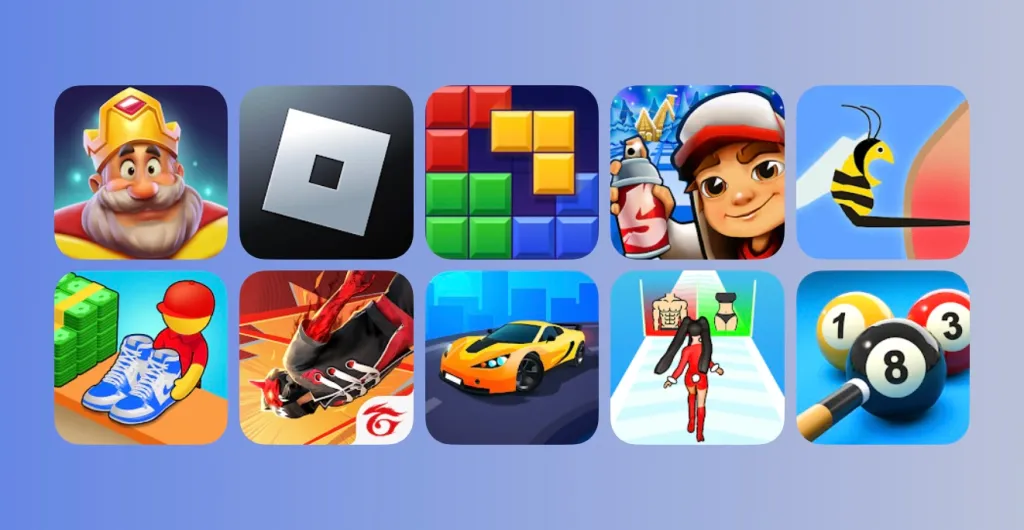
Introduction
The gaming industry has undergone a dramatic transformation over the past two decades. What once required players to purchase a physical copy or a paid digital download has now shifted to a model where many of the world’s most popular games are completely free to play. From mobile hits like Candy Crush and Clash Royale to multiplayer giants like Fortnite, Call of Duty: Warzone, and Genshin Impact, free-to-play (F2P) games have become a global phenomenon attracting billions of users.
But if these games are free, how do they make money?
The short answer: through a combination of smart psychological design, advanced monetization systems, and massive player engagement. The business strategies behind free games have evolved into a sophisticated industry powered by data analytics, advertising technology, microtransactions, and community-driven ecosystems.
This article breaks down the modern revenue models that free games use, explains how each system works, and explores why this approach has become one of the most profitable business models in digital entertainment today. Whether you are a gamer, a marketer, or simply curious about how free apps generate billions, this guide offers a clear and detailed look behind the scenes.
Main Content
1. The Rise of the Free-to-Play Model
1.1 From Paid Games to Free Access

In the early 2000s, most games followed a simple model: pay once and play. However, as smartphones became widespread and app stores exploded with competition, developers needed a new strategy to attract players. The idea of removing the upfront cost entirely dramatically boosted downloads and created opportunities for alternative revenue streams.
1.2 Why Free Games Became a Billion-Dollar Industry
Free games lower the barrier to entry. Instead of thinking twice about spending money, players download instantly—and millions do so every day. Developers then monetize a smaller percentage of players through:
- In-game purchases
- Advertisements
- Subscriptions
- Cosmetic upgrades
- Time-saving features
Even if only 2–5% of players spend money, the sheer number of downloads can create enormous profits.
2. In-App Purchases: The Core Money-Maker
In-app purchases (IAPs) are the primary source of income for most free games. They come in various forms and target motivations that drive player behavior.
2.1 Cosmetic Purchases (Skins, Outfits, Custom Designs)
These items do not affect gameplay balance—they simply change appearance. Games like Fortnite, Apex Legends, and Valorant rely heavily on cosmetic purchases.
Players buy:
- Character skins
- Weapon skins
- Emotes and animations
- Pets or accessories
- Special seasonal items

Cosmetics foster individuality, status, and expression, particularly in multiplayer environments.
2.2 Pay for Convenience
Some players don’t want to grind for hours. Free games often give them the option to speed up progression.
Examples:
- Buying extra lives in Candy Crush
- Speeding up building time in strategy games
- Unlocking levels or skipping difficult challenges
This model appeals to casual gamers who value time over effort.
2.3 Gacha, Loot Boxes & Mystery Rewards
Popular in games like Genshin Impact and mobile RPGs, this model lets players buy “pulls” or “boxes” with a chance of receiving rare items.
Psychological factors include:
- The thrill of randomness
- Fear of missing out (FOMO)
- Seasonal exclusives
While controversial, this system generates billions annually.
2.4 Battle Pass Systems
A newer, more “fair” monetization method used by games like Fortnite and Call of Duty: Warzone. Players pay for a seasonal pass that offers:
- Exclusive rewards
- Daily/weekly challenges
- Unlockable content
This encourages consistent engagement and predictable recurring revenue.
3. Advertising Revenue: Getting Paid for Attention
Many mobile games rely on ads to make money, especially when targeting casual users.
3.1 Types of Ads
- Banner Ads: Always visible at the bottom or top.
- Interstitial Ads: Full-screen ads between levels.
- Rewarded Ads: Players watch ads voluntarily in exchange for bonuses.
Rewarded ads are extremely effective because players feel they are getting value without spending money.
3.2 Why Advertisers Pay Free Games
Games provide:
- Massive global audiences
- Highly engaged users
- Targetable demographics
- High retention rates
This combination allows advertisers to pay premium rates for ad placements.
4. Subscriptions and VIP Programs
Some free games now offer monthly or yearly subscriptions, giving loyal players premium benefits.
4.1 Examples of Subscription Features
- Daily rewards
- Special skins
- Ad-free experience
- Faster progression
- Exclusive content
Even if only a small percentage subscribes, the recurring income makes this model extremely profitable.
5. Data-Driven Monetization and Analytics
5.1 Tracking Player Behavior
Modern free games analyze:
- How long players stay
- Which items they buy
- Where they get stuck
- When they quit
- What motivates them to spend
This allows developers to constantly optimize the game for higher engagement.
5.2 Personalized Offers
Some games use AI to deliver custom-priced bundles or promotions based on player preferences. For example, a player who struggles at certain levels might receive tailored offers that encourage spending.
6. Social Features and Community-Driven Spending
6.1 Social Pressure and Competition
Multiplayer games thrive on:
- Leaderboards
- Team play
- Clans or guilds
- Ranked competition
Players spend money to:
- Look better
- Perform better
- Support their team
6.2 Influencers and Streaming
Content creators showcase skins, characters, or new features, inspiring fans to buy them. A single popular streamer can significantly boost sales of a cosmetic item.
7. Sponsored Content and Brand Collaborations
Big brands now collaborate with game developers to create:
- In-game events
- Character skins
- Exclusive items
- Virtual concerts
- Promotional campaigns
Examples include:
- Fortnite’s Marvel, Naruto, and Star Wars events
- Roblox brand experiences
- NFL collaborations in Madden
These partnerships generate revenue through licensing deals and attract new players.
8. Cross-Promotion and Game Ecosystems
Large gaming companies (like Tencent, Supercell, and Activision) use one free game to promote another. A successful game helps drive traffic toward their broader ecosystem, increasing lifetime player value and long-term profits.
9. Why the Free-to-Play Model Works So Well
9.1 Psychology of Spending
Free games rely on:
- Microtransactions that feel small
- Urgency and limited-time events
- Progression systems
- Social status within the game community
Players rarely notice how much they spend over time.
9.2 Accessibility and Global Reach
Free games break down barriers:
- No cost
- Available worldwide
- Easy to download
- Designed for short, addictive play sessions
This makes them incredibly scalable.
9.3 Continuous Content Updates
F2P games never stop evolving. Developers release:
- Weekly events
- Seasonal passes
- Limited-time skins
- New game modes
This keeps players engaged year-round.
Conclusion
Free-to-play games may cost nothing to download, but behind the scenes lies a highly sophisticated business model. These games earn money through a mix of microtransactions, advertisements, subscription packages, data-driven personalization, and strategic collaborations with brands and influencers.
What makes the model so powerful is simple: billions of players can enjoy a game without paying, while a small percentage of dedicated users generate enormous revenue. With advanced analytics, creative game design, and community-driven engagement, free games have become some of the most profitable digital products in the world.
As the gaming industry continues to expand—with cloud gaming, VR, AR, and AI-driven personalization—the free-to-play model will only become more dominant. Understanding how free games make money gives players, developers, and marketers insight into one of the most successful entertainment business strategies of the modern era.
Understanding the Purpose of a Sitemap