
 By admin
A Modern, Ethical, and Scientific Examination of Feline Declawing: Impacts, Controversies, and Compassionate Alternatives
Introduction
For generations, domestic cats have shared our homes, our lives, and our comfort. Yet, despite their popularity, one of the most controversial procedures in companion animal care persists: feline declawing, medically known as onychectomy. Often misunderstood as a simple nail removal, declawing is in fact a major surgical amputation that removes the last bone of each toe—an operation comparable to removing human fingertips at the final joint. Historically performed to protect furniture or reduce scratching-related concerns, modern veterinary insights, animal welfare research, and ethical frameworks have revealed the grave physical, behavioral, and emotional consequences of this procedure.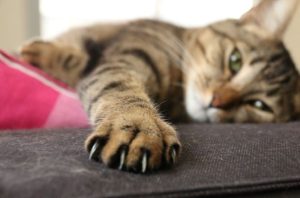
As society advances in its understanding of animal sentience, empathy, and the complexities of feline behavior, declawing has shifted from a once-common practice to an ethically troubling and medically harmful intervention. Today, many veterinarians, animal behaviorists, and global regulatory bodies strongly oppose the practice, advocating instead for humane, safe, and effective alternatives. This comprehensive article examines the biological significance of claws, the severe impacts of their surgical removal, the global movement against declawing, and the science-backed strategies that responsible pet owners can adopt to live harmoniously with their cats—without resorting to permanent mutilation.
I. The Essential Role of Claws in Feline Biology and Behavior
A. Anatomical Importance of Feline Claws
A cat’s claws are not superficial features; they are biomechanical tools deeply integrated into the skeletal and muscular system. Claws serve as extensions of a cat’s anatomy, allowing for a wide range of instinctive and survival-driven behaviors. Key functions include:
1. Balance, Proprioception, and Movement
Cats depend on their claws for stability during high jumps, sudden direction changes, and fast-paced running. When climbing, claws work as gripping anchors that safely support the cat’s weight. Without these extensions, a cat’s natural agility and balance are compromised.
2. Musculoskeletal Stretching and Exercise
Scratching is part of a cat’s physical maintenance routine. Digging claws into surfaces allows the cat to stretch its spine, shoulders, tendons, and ligaments. This stretching regulates flexibility, circulation, and musculoskeletal health.
3. Grooming and Claw Renewal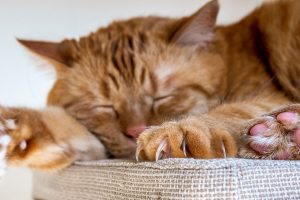
Cats shed the outer sheath of their claws through scratching. This natural renewal process ensures that the claws stay healthy, strong, and functional.
B. Behavioral and Psychological Significance
Beyond physical function, claws play a critical role in feline communication and psychological well-being.
1. Territory Marking and Scent Communication
Cats have scent glands in their paw pads. Scratching communicates territorial boundaries to other cats through scent and visual marks. Removing claws disrupts this instinctive form of expression, often causing frustration and stress.
2. Defense and Security
Claws are a cat’s primary means of self-protection. Whether confronting predators, unfamiliar animals, or perceived threats, claws provide a vital sense of security. Without them, cats may experience chronic fear and vulnerability.
3. Emotional Satisfaction and Stress Relief
Scratching also acts as a stress-relieving activity. It helps cats manage tension, expend energy, and maintain psychological balance.
II. Declawing Uncovered: Understanding the Procedure and Its Consequences
A. What Declawing Really Is: A Surgical Overview
Onychectomy is not a cosmetic procedure—it is an orthopedic surgery involving:
- Amputation of the third phalanx bone (P3) of each toe
- Removal of nerves, tissue, and ligaments
- Ten separate amputations for a typical cat; more for polydactyl cats
Declawing can be performed using:
- Scalpel blades
- Guillotine-style clippers
- CO₂ surgical lasers
Regardless of technique, the result is the same: permanent loss of a critical anatomical structure.
General anesthesia is required, and postoperative pain can be intense. Cats, known for hiding discomfort, may appear outwardly fine while suffering significantly.
B. Immediate Medical Risks
Following surgery, declawed cats frequently experience:
1. Severe Pain
Nerve endings at the amputation site can lead to acute and chronic neuropathic pain.
2. Bleeding and Infection
The open surgical sites are prone to infection, tissue breakdown, and delayed healing.
3. Paw Pad Trauma
Bone fragments sometimes remain and can cause painful regrowth under the skin, necessitating corrective surgery.
C. Long-Term Physical Complications
The long-term impact of declawing is often devastating:
1. Altered Gait and Chronic Pain
Without claws, cats shift their weight backward onto their heels. This unnatural posture leads to:
- Arthritis
- Tendon strain
- Spinal problems
- Joint degeneration
2. Increased Risk of Lameness
Changes in biomechanics cause permanent difficulty walking and jumping.
3. Muscle Atrophy
Avoiding pressure on damaged paws reduces mobility and leads to muscle loss over time.
D. Behavioral and Emotional Consequences
Many declawed cats develop behavioral disorders directly tied to chronic pain and psychological distress.
1. Increased Biting
Stripped of their natural defense, declawed cats often resort to biting, which is more dangerous to humans than scratching.
2. Litter Box Avoidance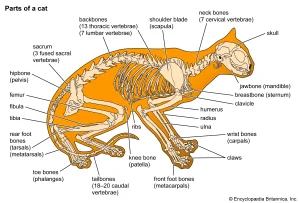
Pain when digging causes cats to associate the litter box with discomfort. This is one of the leading causes of shelter surrender.
3. Anxiety, Aggression, and Depression
Cats deprived of natural behaviors often develop:
- Chronic stress
- Irritability
- Withdrawal
- Destructive compulsions
Studies show that declawing often worsens the exact behaviors owners seek to prevent.
III. Global Ethical Movements and Legal Restrictions
A. Worldwide Bans and Restrictions
Due to overwhelming evidence of harm, over 40 countries have banned or restricted declawing, including:
- United Kingdom
- Most of the European Union
- Australia
- New Zealand
- Brazil
These nations classify declawing as mutilation or unnecessary cosmetic surgery.
B. Shifting Attitudes in North America
In the United States and Canada, several cities, provinces, and states now prohibit elective declawing. Major veterinary associations—including the American Association of Feline Practitioners—condemn the practice except for rare medical cases (e.g., cancerous claw tumors).
This shift reflects increasing public awareness of animal rights and responsible pet care.
IV. Humane, Effective, and Modern Alternatives to Declawing
A. Positive Reinforcement and Behavioral Training
Cats can be trained to use appropriate scratching surfaces through:
1. Reward-Based Training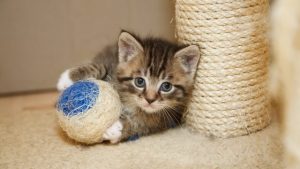
Treats, praise, and catnip can reinforce desired scratching behaviors.
2. High-Quality Scratching Posts
Successful options include:
- Sisal rope posts
- Cardboard pads
- Carpeted climbers
- Vertical and horizontal scratchers
Positioning posts near sleeping areas, entrances, or furniture increases usage.
3. Regular Nail Trimming
Trimming every 1–2 weeks keeps nails dull and reduces scratching damage.
B. Environmental Modifications
Small adjustments can shape healthy scratching habits.
1. Furniture Protection Tools
- Double-sided tape
- Plastic guards
- Aluminum foil
- Washable slipcovers
These methods deter cats without causing harm.
2. Calming Products
Synthetic pheromone diffusers can reduce territorial scratching driven by stress.
3. Enrichment and Stimulation
Providing cat trees, toys, and climbing structures reduces boredom-driven scratching.
C. Veterinary-Approved Soft Nail Caps
Soft Paws and similar nail caps:
- Are painless
- Fit naturally over trimmed claws
- Last 4–6 weeks
- Allow natural scratching motions without damage
They are affordable, stylish, and highly effective.
D. Education and Responsible Ownership
Cat owners must understand that scratching is normal. Proper education involves:
- Learning feline behavior
- Identifying stress triggers
- Using humane management strategies
- Consulting veterinarians or certified behaviorists when issues arise
Responsible ownership means respecting the cat’s physical and psychological needs.
Conclusion
Declawing is not a simple convenience—it is a life-altering surgical procedure with far-reaching consequences. It damages a cat’s physical health, disrupts its instinctive behaviors, and undermines its emotional well-being. Modern veterinary science, global legal reforms, and ethical principles all converge on a single truth: declawing is unnecessary, harmful, and outdated.
A compassionate and informed pet guardian recognizes that the responsibility of caring for a cat includes respecting its natural anatomy and behaviors. With the availability of effective alternatives—scratching posts, behavioral training, nail caps, enrichment tools, and routine trimming—there is no justification for subjecting cats to permanent amputation.
By embracing humane methods and prioritizing animal welfare, we can cultivate a more respectful, harmonious, and ethically responsible relationship with our feline companions. Protecting a couch should never come at the expense of a cat’s lifelong comfort, security, and happiness.
The Stork: A Global Ambassador