
 By admin
Introduction
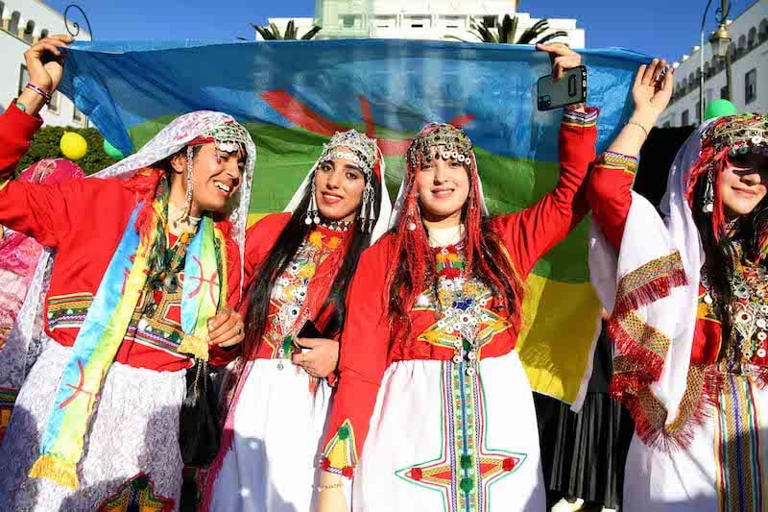
In a world increasingly shaped by cultural tensions, identity debates, and linguistic homogenization, Morocco has emerged as a distinctive model of coexistence and inclusive nation-building. Rather than perceiving diversity as a source of division, the Kingdom has consistently worked to transform its cultural plurality into a pillar of unity, stability, and sustainable development. One of the most emblematic manifestations of this approach is the official recognition and celebration of the Amazigh New Year, Yennayer, as a national public holiday.
This historic decision reflects a broader Moroccan vision that embraces cultural diversity as a strategic national asset. The celebration of Yennayer is not merely a festive event rooted in ancestral traditions; it is a strong political, cultural, and symbolic statement affirming Morocco’s commitment to pluralism, equality, and shared citizenship. By institutionalizing Amazigh New Year, Morocco reinforces the idea that its national identity is the result of centuries of interaction between multiple cultural, linguistic, and civilizational influences.
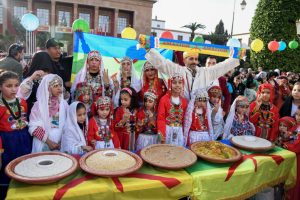
As highlighted by Ahmed Boukous, Rector of the Royal Institute of Amazigh Culture (IRCAM), the recognition of Yennayer embodies the singularity of the Moroccan model in managing diversity. It represents a successful balance between heritage preservation, constitutional reform, and forward-looking cultural policy. This article explores how the celebration of Amazigh New Year has become a cornerstone of Morocco’s inclusive identity, examining its historical roots, institutional framework, societal impact, and international significance.
Yennayer: An Ancient Calendar with a Living Legacy
Historical Origins of the Amazigh New Year
Yennayer is one of the oldest calendars in human history, dating back nearly 3,000 years. Closely linked to agrarian cycles, it marks the beginning of the Amazigh agricultural year and symbolizes renewal, prosperity, and harmony with nature. Long before the advent of modern states or colonial borders, Amazigh communities across North Africa relied on this calendar to organize agricultural activities and social life.
Unlike imported or imposed temporal systems, the Amazigh calendar reflects an indigenous worldview deeply connected to the land. Its continuity over centuries demonstrates the resilience of Amazigh culture despite historical disruptions, including Roman rule, Arab-Islamic expansion, colonialism, and post-independence centralization.
Cultural Symbolism and Collective Memory
Yennayer is more than a date on the calendar—it is a cultural narrative passed down through generations. Traditional celebrations often involve symbolic meals prepared with grains, legumes, and local produce, representing abundance and gratitude. Families gather to share stories, music, and rituals that reinforce intergenerational bonds and collective memory.
In modern Morocco, these traditions have evolved while retaining their symbolic essence. Urban celebrations, cultural festivals, and institutional events have expanded the reach of Yennayer, transforming it from a localized tradition into a shared national heritage.
Royal Recognition: A Turning Point in Morocco’s Cultural Policy
From Cultural Practice to National Institution
The Royal Decision to declare Amazigh New Year an official national holiday with paid leave marks a decisive turning point in Morocco’s cultural history. This recognition elevates Yennayer to the same institutional level as other major national and religious celebrations, affirming the equal dignity of all cultural components of Moroccan identity.
According to Ahmed Boukous, this decision provides Yennayer with historical, social, and symbolic dimensions that go beyond celebration. It transforms the event into a platform for national reflection on identity, diversity, and shared values.
Alignment with the 2011 Constitution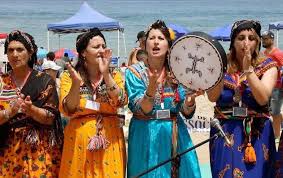
This recognition is fully aligned with the 2011 Moroccan Constitution, which officially recognizes Amazigh as a state language alongside Arabic. The constitutionalization of Amazigh language laid the legal foundation for subsequent policies aimed at integrating Amazigh into education, media, administration, and public life.
By institutionalizing Amazigh New Year, Morocco translates constitutional principles into tangible practices, reinforcing the credibility of its reform agenda and demonstrating political will in promoting cultural equality.
IRCAM: A Pillar of Amazigh Cultural Promotion
Mandate and Strategic Role
Founded in 2001, the Royal Institute of Amazigh Culture (IRCAM) has been instrumental in redefining the place of Amazigh culture within the Moroccan state. Under the leadership of scholars such as Ahmed Boukous, IRCAM has provided scientific expertise, linguistic research, and strategic guidance to public institutions.
Its mission goes beyond preservation; IRCAM actively contributes to modernization and institutional integration, ensuring that Amazigh culture evolves in harmony with contemporary societal needs.
Research, Education, and Public Engagement
IRCAM organizes conferences, colloquia, and academic forums addressing historical, sociological, linguistic, and anthropological dimensions of Amazigh culture. These initiatives foster dialogue between researchers, policymakers, and civil society, enriching public understanding of Morocco’s cultural depth.
The institute also plays a key role in developing educational materials, standardizing the Amazigh language, and supporting cultural production, making it a cornerstone of Morocco’s diversity management model.
The Officialization of the Amazigh Language: Achievements and Constraints
Progress in Education and Media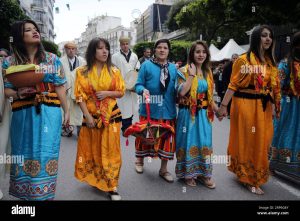
Significant progress has been made in integrating Amazigh into the education system, particularly at the primary level. Curricula, textbooks, and teacher training programs have been developed to support Amazigh language instruction, contributing to linguistic normalization.
In the media landscape, Amazigh-language television and radio channels have expanded considerably, offering news, cultural programs, and artistic content that enhance visibility and public engagement.
Challenges in Public Administration
Despite these advances, challenges persist. As Ahmed Boukous has noted, the shortage of qualified human resources remains a major obstacle to the full integration of Amazigh into public administration and daily governance. Ensuring consistent implementation across regions and institutions requires sustained investment and political commitment.
Nevertheless, the progress achieved illustrates a gradual but irreversible shift toward linguistic inclusivity.
Morocco’s Unique Model of Managing Cultural Diversity
Pluralism as a National Strategy
Morocco’s approach to diversity is characterized by gradualism, dialogue, and institutional integration. Rather than imposing cultural uniformity or encouraging fragmentation, the Moroccan model promotes coexistence within a unified national framework.
This strategy recognizes diversity as a source of enrichment rather than division, allowing multiple identities to coexist under a shared civic umbrella.
A Comparative Perspective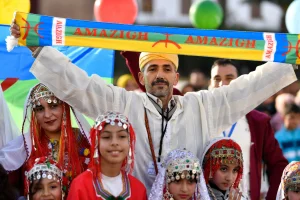
In contrast to models marked by assimilation or rigid multiculturalism, Morocco’s approach offers a balanced alternative. Cultural identities are neither erased nor isolated; they are integrated into a cohesive national narrative.
This balance has contributed to social stability, cultural vitality, and international recognition, positioning Morocco as a reference point in global discussions on cultural governance.
The Amazigh New Year and Cultural Diplomacy
Consular Initiatives Abroad
Moroccan consular services abroad have played a vital role in promoting Amazigh New Year celebrations within diaspora communities. These initiatives strengthen ties between Moroccans abroad and their homeland while showcasing Morocco’s pluralistic identity to international audiences.
Transmission of Identity Across Generations
For younger generations of Moroccans living abroad, Yennayer celebrations provide a meaningful connection to ancestral heritage. They foster pride in a multicultural national identity and contribute to cultural continuity beyond borders.
Societal Impact and Future Horizons
Strengthening Social Cohesion
The official celebration of Amazigh New Year enhances social cohesion by promoting mutual recognition and respect. It encourages dialogue, reduces cultural hierarchies, and reinforces the principle of equal citizenship.
Toward Inclusive and Sustainable Development
Looking ahead, the challenge lies in ensuring that symbolic recognition is accompanied by effective public policies. Continued investment in education, media, administration, and cultural industries will be essential to fully realize the potential of Amazigh officialization.
Conclusion
The celebration of the Amazigh New Year as an official national holiday stands as a powerful testament to Morocco’s unique and forward-looking model for managing cultural diversity. Rooted in ancient history yet aligned with modern constitutional principles, Yennayer embodies the values of inclusion, recognition, and shared heritage.
Through visionary leadership, institutional commitment, and societal engagement, Morocco has demonstrated that diversity can be a unifying force rather than a source of division. The role of IRCAM, the Royal Decision recognizing Amazigh New Year, and the ongoing integration of Amazigh language and culture into public life all reflect a coherent and sustainable cultural strategy.
In an increasingly fragmented world, Morocco’s experience offers valuable lessons on how to build unity through diversity. The celebration of Amazigh New Year is not only a cultural milestone—it is a symbol of a nation confident in its plural identity and committed to an inclusive future.
Franka Potente’s Unique Path Through Cinema