
 By admin
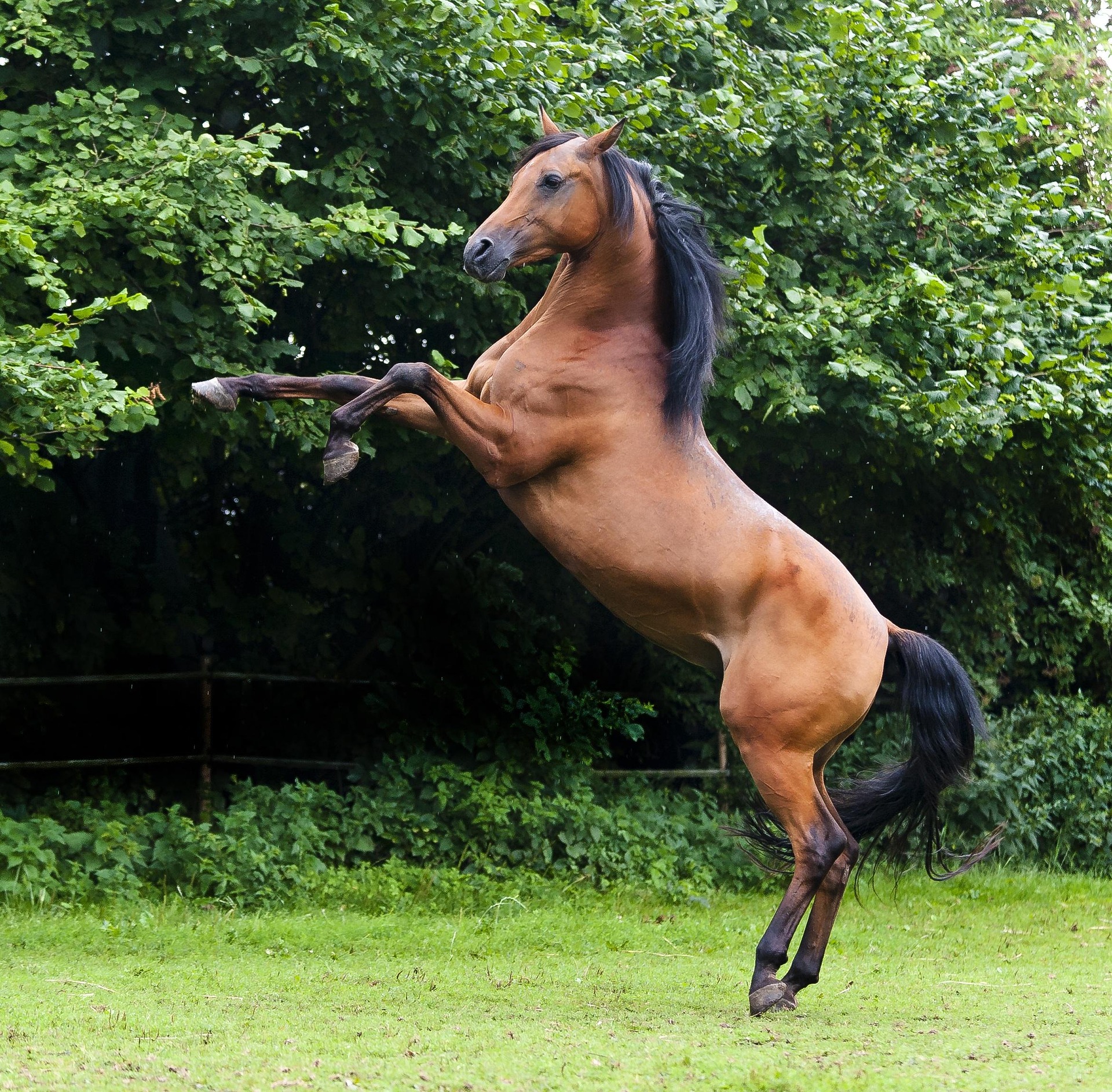
The Timeless Elegance of Purebred Arabian Horses
Introduction
For centuries, purebred Arabian horses have captivated the human imagination with their beauty, endurance, and noble spirit. Known as one of the oldest and most influential horse breeds in the world, Arabian horses are more than just animals—they are living legacies of history, culture, and prestige. Originating from the deserts of the Arabian Peninsula, these majestic creatures have played pivotal roles in warfare, trade, breeding, and cultural identity across continents.
In today’s world, the purebred Arabian horse continues to enjoy worldwide admiration, especially among breeders, equestrians, and historians. Whether admired for their distinct physical characteristics, exceptional intelligence, or spiritual and cultural symbolism, Arabian horses remain an unparalleled breed in the global equestrian world.
This article delves into the origins, characteristics, cultural significance, modern uses, and global legacy of the purebred Arabian horse, supported by contemporary data and a professional tone designed to inform and engage.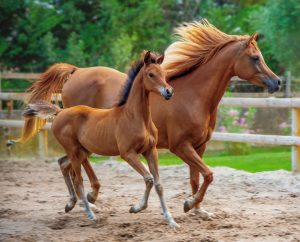
Origins and Historical Significance
Ancient Desert Roots
The Arabian horse traces its roots back over 4,500 years to the deserts of the Arabian Peninsula. Nomadic Bedouin tribes are credited with carefully breeding and preserving the purity of these horses. In a harsh desert environment, survival depended on horses that were not only fast and strong but also loyal and intelligent. As a result, Bedouins developed a unique bond with their horses, often allowing them to live inside family tents for protection and companionship.
Islamic Expansion and Global Spread
With the spread of Islam in the 7th and 8th centuries, Arabian horses traveled with Muslim armies across North Africa, into Europe, and parts of Asia. Revered by Islamic leaders for their loyalty, bravery, and speed, the breed was often mentioned in religious texts and poetry. Over time, Arabian horses became prized gifts and essential assets in royal stables around the world.
Distinct Physical Characteristics
Refined Appearance
The Arabian horse is easily recognizable thanks to its refined and distinctive appearance. Key features include:
-
Dished face: A concave profile with large, expressive eyes.
-
Arched neck: A long, well-carried neck that exudes elegance.
-
Compact body: A short back and strong, sloping shoulders.
-
High tail carriage: A signature trait that gives the Arabian a regal posture.
Genetic Purity and Strength
Modern DNA studies have confirmed that Arabian horses possess unique genetic markers that distinguish them from other breeds. Their dense bone structure, strong hooves, and high lung capacity make them naturally suited for endurance and harsh environments. These traits are not only a result of selective breeding but also of natural adaptation to desert life.
Temperament and Intelligence
Loyal and Trustworthy
One of the most revered aspects of the Arabian horse is its temperament. These horses are known for being loyal to their handlers, making them excellent companions for riders of all levels. Their trusting nature stems from centuries of living in close quarters with humans.
High Trainability
Arabian horses are incredibly intelligent and quick learners. Their sensitivity and responsiveness make them ideal for various forms of training, from classical dressage to advanced endurance racing. However, their intelligence also demands skilled and respectful handling.
Cultural and Spiritual Symbolism
Symbol of Nobility and Pride
Throughout the Middle East and beyond, the Arabian horse is a symbol of nobility, purity, and pride. Many cultures consider ownership of a purebred Arabian to be a mark of prestige and honor. In Arabic poetry and literature, the horse is often described as a loyal companion in both war and peace.
Role in Islamic Tradition
The Arabian horse holds a special place in Islamic tradition. It is believed that the Prophet Muhammad praised the Arabian horse and encouraged its care and preservation. Many historical accounts tell of Arab warriors choosing their best horses for religious conquests, reflecting the horse’s spiritual and cultural importance.
The Role of Arabian Horses in Modern Equestrianism
Endurance Racing
One of the most popular modern uses of Arabian horses is in endurance racing. These races can span distances of 100 miles (160 km) or more and require exceptional stamina and conditioning. Arabian horses dominate this sport due to their unparalleled endurance and efficient metabolism.
Show Competitions
Purebred Arabian horses also shine in the show ring, where judges evaluate them on conformation, movement, and charisma. Arabian horse shows are held worldwide, from the United States and Europe to the Gulf countries. These events not only celebrate the breed but also generate substantial economic activity in the equine industry.
Pleasure Riding and Therapy
Due to their gentle nature and smooth gaits, Arabian horses are also popular for pleasure riding and equine-assisted therapy. Their calm demeanor makes them suitable for working with children, people with disabilities, and beginners in equestrian activities.
Breeding and Preservation Efforts
Global Breeding Programs
Today, Arabian horses are bred in over 60 countries, with notable programs in the United States, Poland, Egypt, and the Arabian Gulf region. Organizations such as the World Arabian Horse Organization (WAHO) and national studbooks play a critical role in maintaining breed standards and bloodline integrity.
Strains and Bloodlines
Arabian horses are often classified into strains or families, such as Kuhaylan, Saklawi, and Hamdani, each with distinct characteristics. Breeders place high value on maintaining these strains, some of which trace their lineage directly to the desert-bred horses of the Bedouins.
Conservation Challenges
Despite their popularity, conservation of the purebred Arabian horse faces challenges. Modern crossbreeding, improper documentation, and commercial pressures can threaten the breed’s purity. Ethical breeding practices and international cooperation are essential to preserve this cultural treasure for future generations.
Arabian Horses in the Gulf Region
National Pride and Investment
In countries like Saudi Arabia, the United Arab Emirates, and Qatar, Arabian horses represent both national heritage and economic investment. Royal families often fund equestrian centers and host international horse shows that attract competitors and spectators from around the globe.
Al-Marah, Al Shaqab, and Janadriyah
Famous breeding and training centers such as Al-Marah Stud (Saudi Arabia), Al Shaqab (Qatar), and the Janadriyah Festival (Saudi Arabia) are dedicated to promoting the Arabian horse. These institutions focus on breeding, research, cultural education, and international showcasing of the breed.
Arabian Horses and Modern Technology
Genetic Research
Advances in genetic testing have helped identify and preserve the purity of Arabian bloodlines. Genetic databases are now used by breeders to avoid inbreeding and ensure healthy offspring. This scientific approach is revolutionizing the way breeders manage their herds.
Virtual Horse Shows and Auctions
With the rise of digital platforms, Arabian horse shows and auctions have expanded online. Livestreamed events and virtual catalogs allow international buyers to participate without traveling. This has increased access to top-tier horses and enhanced transparency in the industry.
Equine Wellness and Innovation
Modern veterinary technology, including digital imaging, performance monitoring, and customized nutrition, is enhancing the care of Arabian horses. Equine fitness apps, wearable sensors, and AI-based training systems are becoming part of daily management for elite horses.
Conclusion
The purebred Arabian horse stands as a symbol of timeless beauty, cultural pride, and elite performance. From the burning deserts of Arabia to modern show rings and racetracks around the world, the Arabian continues to command respect and admiration. As equestrian traditions evolve and embrace technology, the importance of preserving the authenticity and legacy of this extraordinary breed remains paramount.
Through responsible breeding, cultural education, and international collaboration, the story of the Arabian horse will continue to inspire future generations. In every graceful step and spirited gallop, the Arabian horse carries with it the soul of a people and a heritage that refuses to be forgotten.
Practical Solutions for a Cat-Friendly Home